

 English
  русский
  Español
  عربى
عربى Industry News
Home / News / Industry News / Fully Automatic Single-Head Pipe Bending Machine: What It Is and Why Everyone's Switching to It

Content
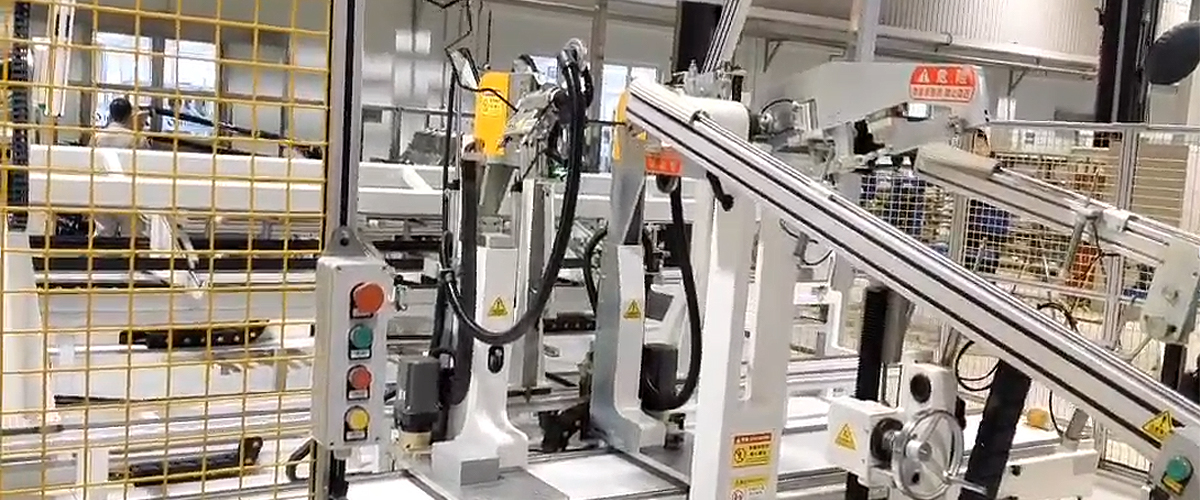
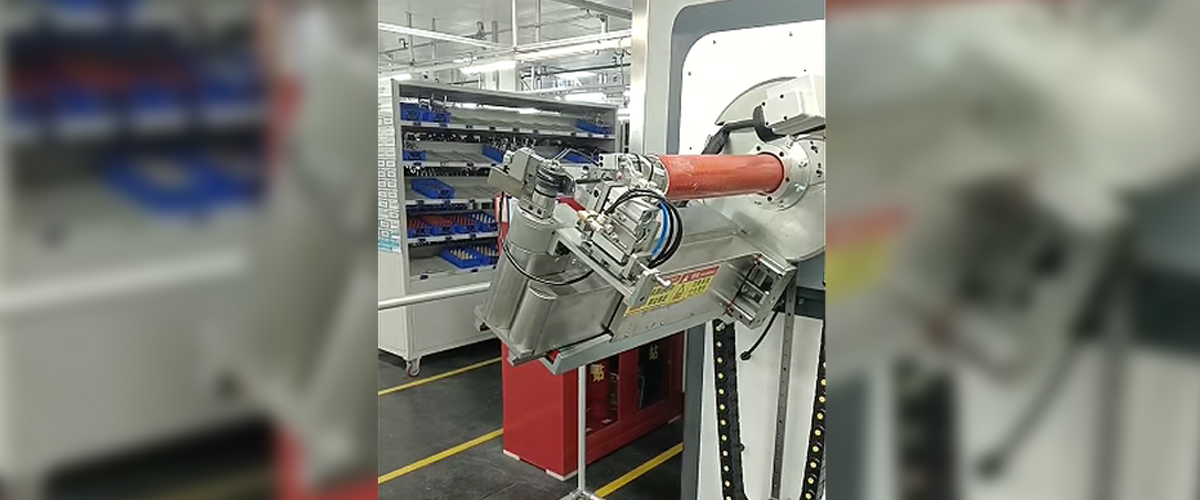
A Fully Automatic Single-Head Pipe Bending Machine is a metalworking machine designed to bend pipes and tubes into precise angles and shapes without needing an operator to manually adjust settings for every bend. Unlike manual or semi-automatic benders, this machine relies on a single bending head equipped with servo motors, hydraulic or electric drive systems, and a CNC control panel that stores bending programs. Once the pipe diameter, wall thickness, bending radius, and angle are entered into the system, the machine repeats the exact same bend over and over with almost no variation. This makes it a go-to choice for workshops that need consistent output on medium to large production runs.
The "single-head" part of the name refers to the machine having one bending arm or die head, as opposed to multi-head machines that can bend in several directions simultaneously. While multi-head machines are faster for complex 3D shapes, single-head machines are simpler to operate, easier to maintain, and typically more affordable, which is why they remain popular in small and mid-sized fabrication shops.
The bending process starts when a straight pipe is clamped into position between a fixed die and a pressure die. The bending head then rotates around a center point, forcing the pipe to curve around the die's radius. A mandrel is often inserted inside the pipe during this process to prevent the inner wall from collapsing or wrinkling, especially on thin-walled tubing. Throughout the bend, the CNC system monitors the rotation angle, feed length, and speed, making micro-adjustments in real time to keep the bend accurate.
Once one bend is finished, the machine automatically feeds the pipe forward or rotates it to the next bending position based on the pre-loaded program, allowing multi-bend parts to be produced without stopping.
Manual and semi-automatic pipe benders require an operator to physically pull levers or set stops for every angle, which introduces human error and slows down production. A fully automatic single-head pipe bending machine removes most of that manual work. Once programmed, it can run the same bending sequence hundreds or thousands of times with nearly identical results, which is critical for industries like automotive exhaust manufacturing, furniture production, and HVAC ductwork where consistency directly affects product quality.
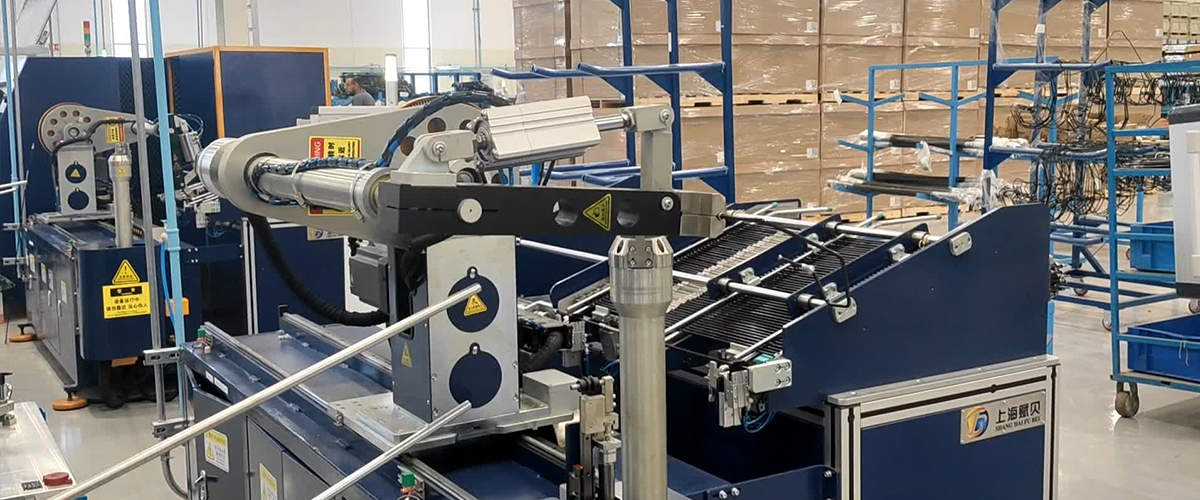
Choosing the right bending machine depends heavily on the complexity of the parts being produced and the production volume. The table below breaks down how a fully automatic single-head pipe bending machine stacks up against manual and multi-head alternatives.
| Machine Type | Operator Skill Needed | Best Use Case | Relative Cost |
| Manual Bender | High | Low-volume, custom jobs | Low |
| Fully Automatic Single-Head Bender | Low to Moderate | Medium to high-volume repetitive parts | Moderate |
| Multi-Head CNC Bender | Moderate | Complex 3D parts, very high volume | High |
Not every fully automatic single-head pipe bending machine is built the same, and picking the wrong specification can leave a shop stuck with a machine that can't handle its material range. Before purchasing, it helps to walk through a few core specifications rather than just comparing sticker prices.
It's also worth asking suppliers about after-sales support, since die sets wear out over time and having a reliable source for replacement dies can matter more than the initial purchase price.
Like any precision equipment, a fully automatic single-head pipe bending machine needs regular upkeep to maintain bending accuracy. Neglecting maintenance is one of the most common reasons shops start seeing inconsistent bend angles or premature die wear.
Fully automatic single-head pipe bending machines show up in far more places than people expect. In the automotive sector, they shape exhaust pipes, roll cages, and fuel lines. Furniture manufacturers use them to produce curved steel frames for chairs and tables. HVAC contractors rely on them for ductwork and refrigerant lines, while handrail and fencing companies use them to create consistent curves for railings. Because the machine can be reprogrammed quickly for a new bend profile, it fits naturally into shops that handle several different product lines without needing separate equipment for each one.


 [email protected]
 +86-021-57678482
 +86-18001603006
 Building A, No. 299 Tangming Road, Shihudang Industrial Zone, Songjiang District, Shanghai, China
Copyright © Shanghai Fubei Electromechanical Equipment Co., Ltd. All Rights Reserved Automated Pipe Processing Equipment Factory
