

 English
  русский
  Español
  عربى
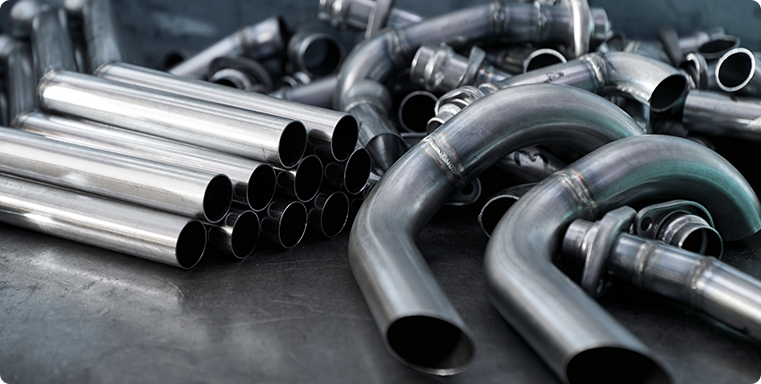
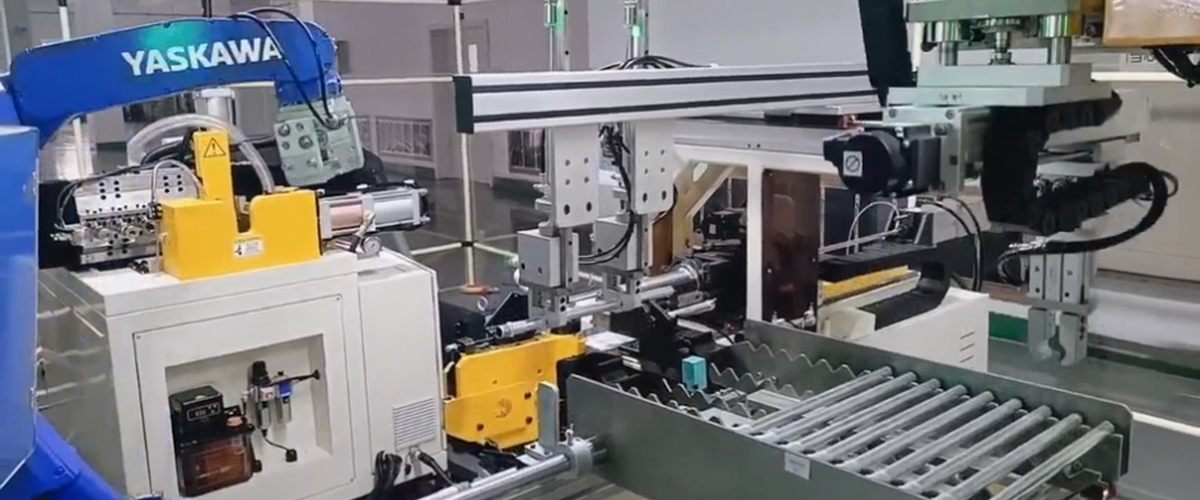
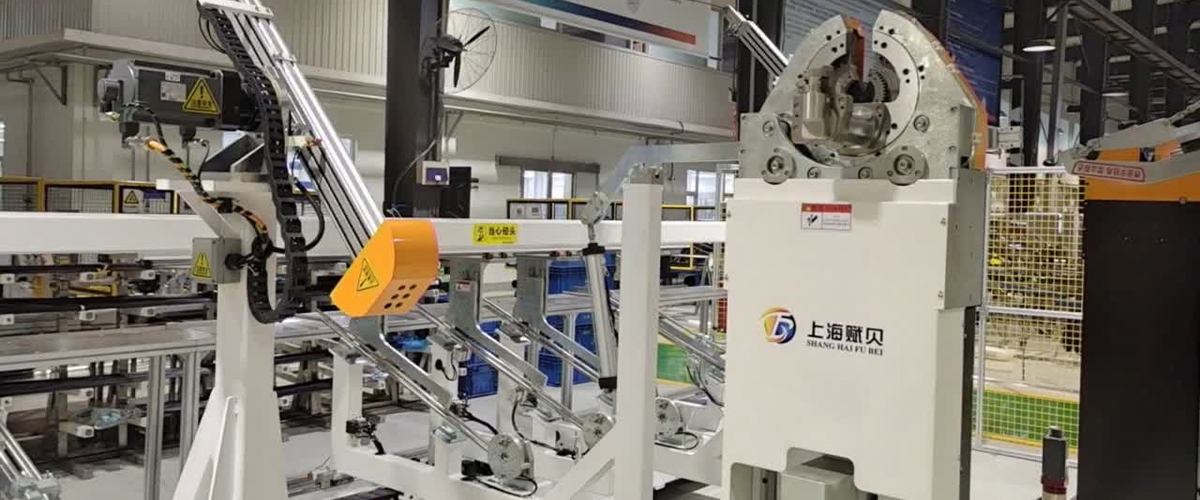
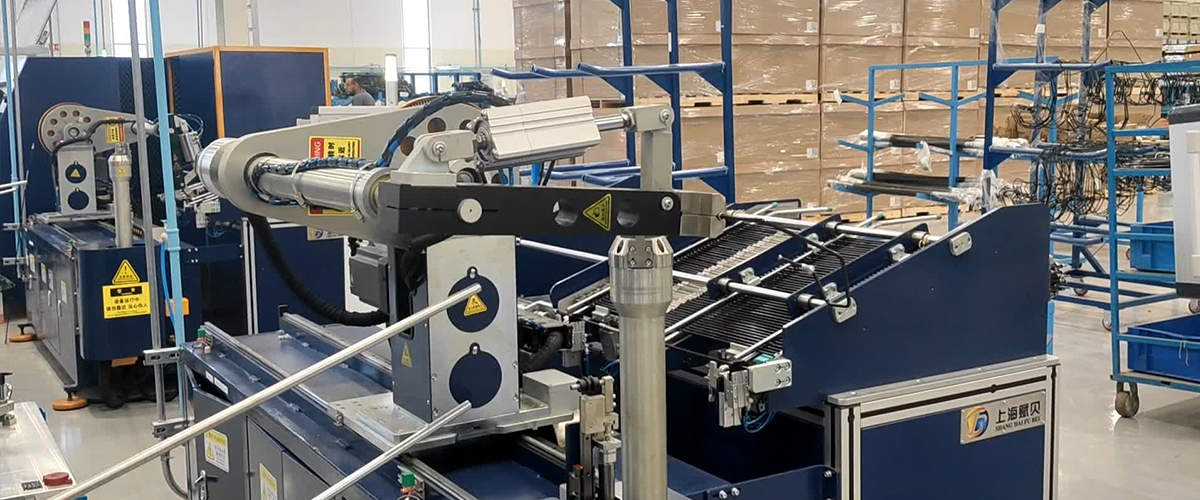
عربى This automated pipe processing line handles the complete end-to-end production sequence for tubes in the 1,000–5,000 mm length range, integrating automatic loading, deburring, chamfering, end forming, nut assembly, and dimensional inspection into a continuous, unified workflow.
Automatic Loading: Tubes are fed into the line automatically from a supply station, removing the need for manual positioning at the start of the sequence and maintaining a steady, consistent feed rhythm into downstream processes.
Deburring and Chamfering: Upon entry, both ends of each tube are deburred and chamfered to remove sharp edges and prepare the pipe ends for forming and assembly. Clean, correctly chamfered ends are critical for reliable sealing and connection performance in the finished assembly.
End Forming — Both Ends Simultaneously: The line performs end forming on both ends of the tube at the same time, halving the cycle time compared to sequential single-end processing. Forming operations are carried out to the specified geometry, with all positioning and depth adjustments servo-driven for high dimensional accuracy and repeatability.
Automated Nut Assembly: Following forming, an integrated nut assembly station automatically installs the specified nut onto each pipe end. Automating this step eliminates a manual sub-assembly operation that is labor-intensive and a common source of positioning inconsistency.
Dimensional Inspection: Each finished part is measured automatically for key dimensions — including end geometry, overall tube length, and nut assembly position — before leaving the line. Parts that fall outside tolerance are identified and separated, preventing non-conforming product from reaching downstream assembly and reducing overall rework costs.
Recipe-Based Changeover: All process parameters — including tube diameter, length, forming geometry, and nut type — are stored as named production recipes. Switching between part numbers requires only recipe selection; the machine automatically adjusts all relevant axes and settings, keeping changeover time short and reducing the risk of setup errors.
Data Storage and Traceability: Processing data for each part or production batch is recorded and retrievable, supporting quality traceability requirements common in automotive and regulated supply chains.
High Automation with Servo Precision: All positioning and adjustment functions throughout the line are servo-driven, delivering consistent accuracy across long, uninterrupted production runs. The combination of simultaneous dual-end processing and full automation results in high throughput with minimal operator involvement beyond initial setup and monitoring.