

 English
  русский
  Español
  عربى
عربى 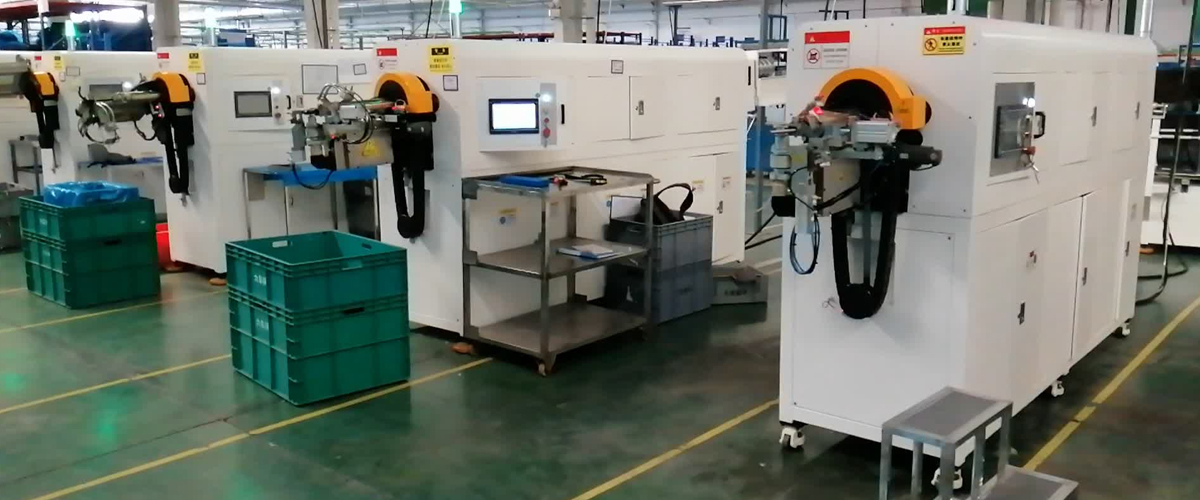
14+
Years Experience

I. Integrated Thermoforming: A Leap in Efficiency Tailored for Mass Production
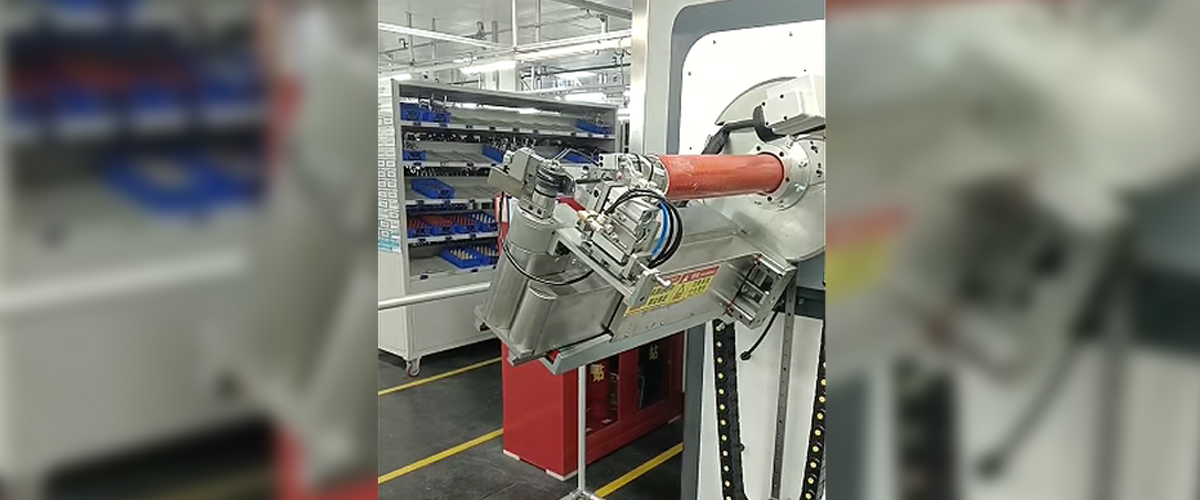
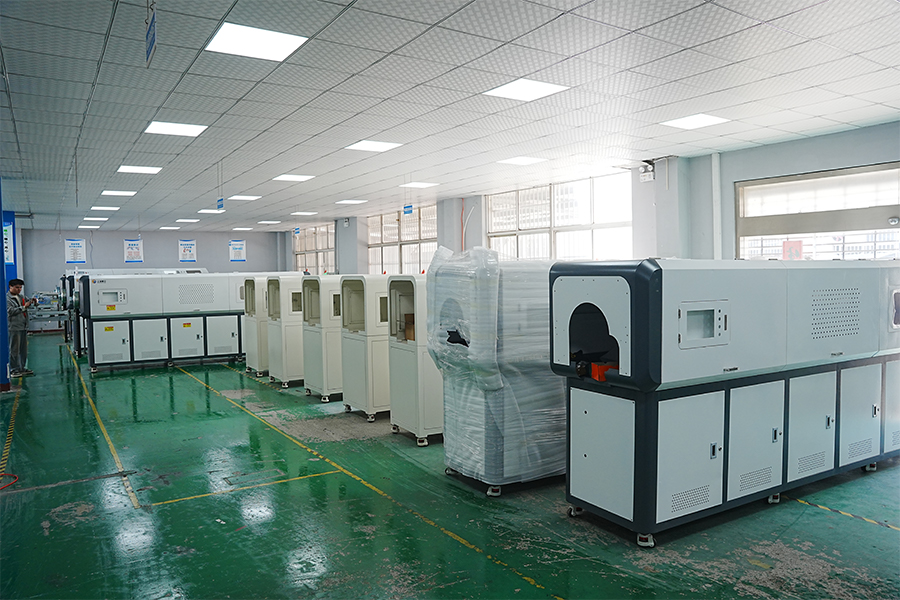
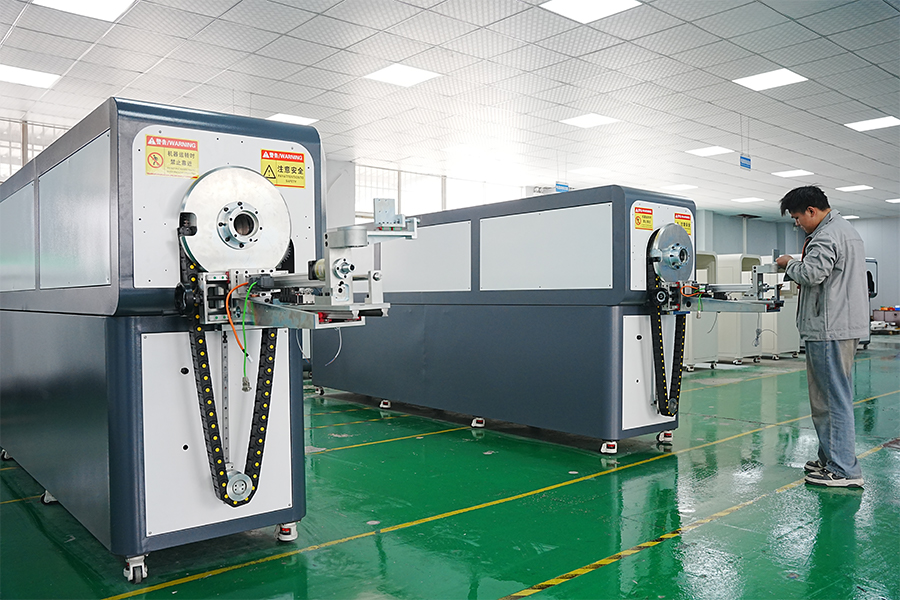
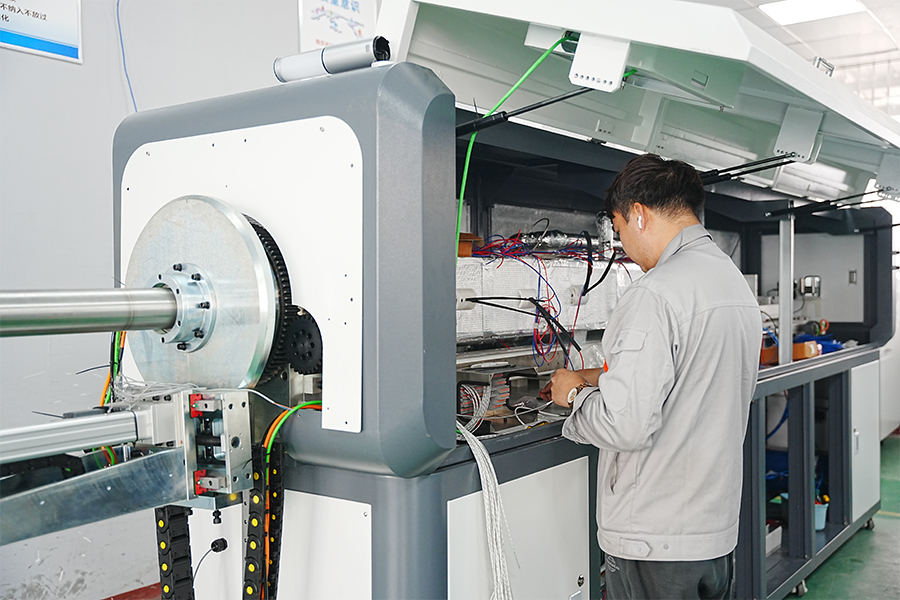
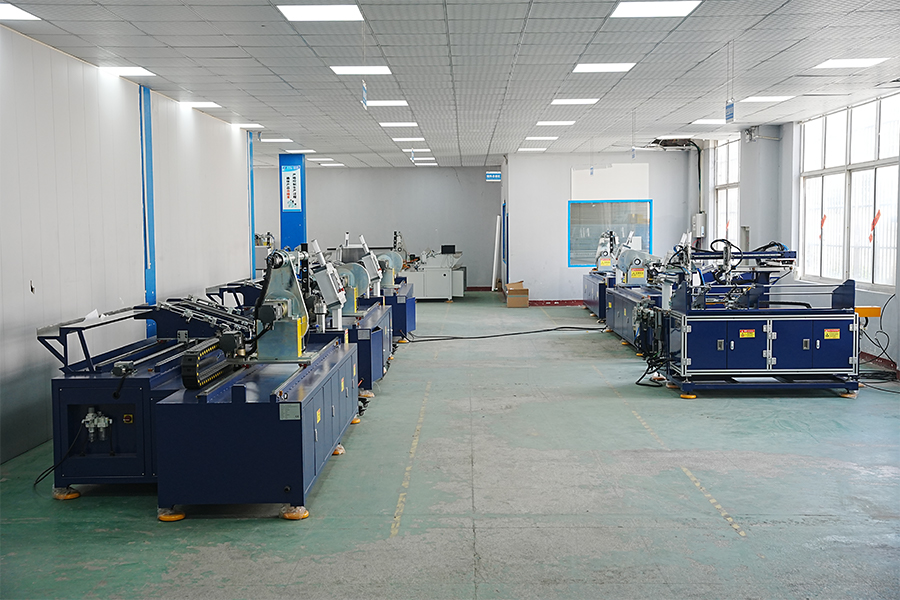
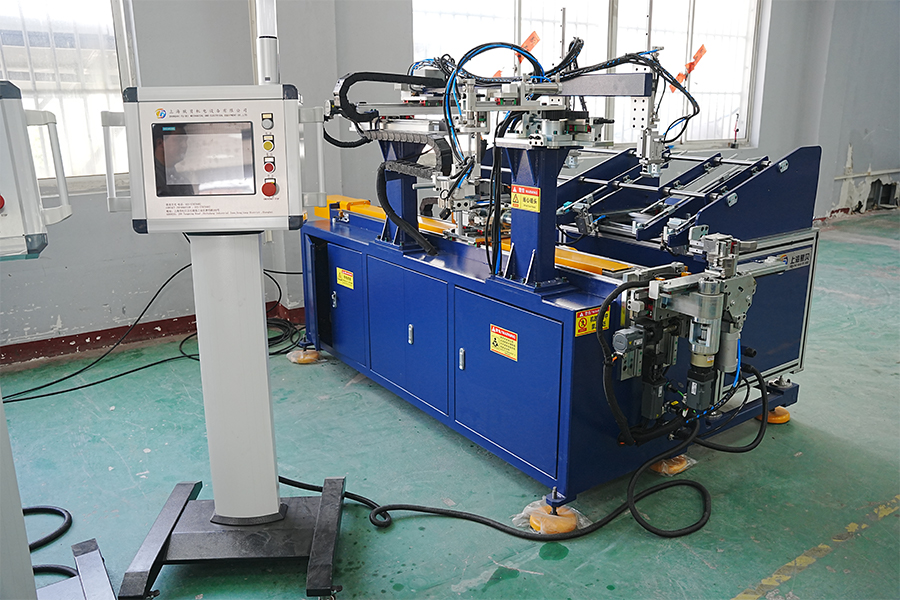
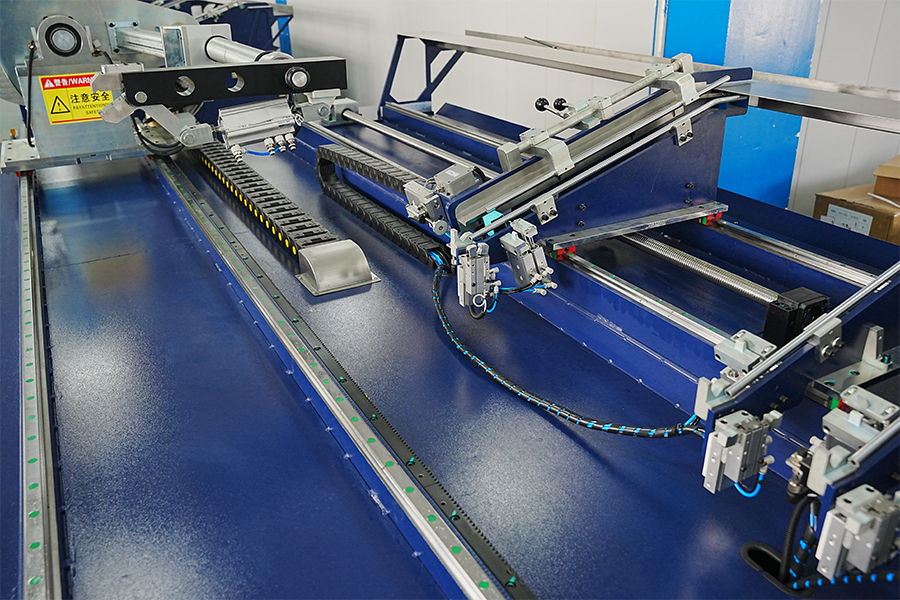
Nylon tubing requires heating and softening before it can be formed. Traditional processing methods involve multiple discrete steps—heating, bending, and cooling—which are time-consuming and prone to quality issues caused by heat loss. This nylon tube bending machine features an integrated "heating-bending-cooling" design. Equipped with an electric heating cylinder featuring precise temperature control (with a peak heating power of 6.5 kW) and an air-cooling system, it ensures continuous, constant-temperature heating of the tubing (accommodating the 80–125°C processing requirements for materials such as PA6 and PA66). This allows for rapid shape-setting immediately after bending, achieving a single-bend processing speed as fast as 0.1 to 8 seconds. Coupled with a dual-servo feeding system (featuring a feeding length tolerance of ±1.5 mm), the machine supports continuous multi-bend processing. This boosts production efficiency by over 50% compared to traditional equipment and reduces process waiting times by 30% during mass production, perfectly meeting the large-scale capacity demands of industries such as automotive fluid lines and pneumatic components. Furthermore, this integrated workflow eliminates temperature fluctuations caused by manual handling, thereby ensuring the consistency of the finished products.
II. Precise Springback Compensation: Micrometer-Level Accuracy for Superior Forming Quality
Nylon tubing possesses a high elastic modulus; consequently, springback after bending constitutes a critical challenge in the processing workflow (often leading to angular deviations and assembly failures). The equipment achieves its performance through a triple-pronged technological approach:
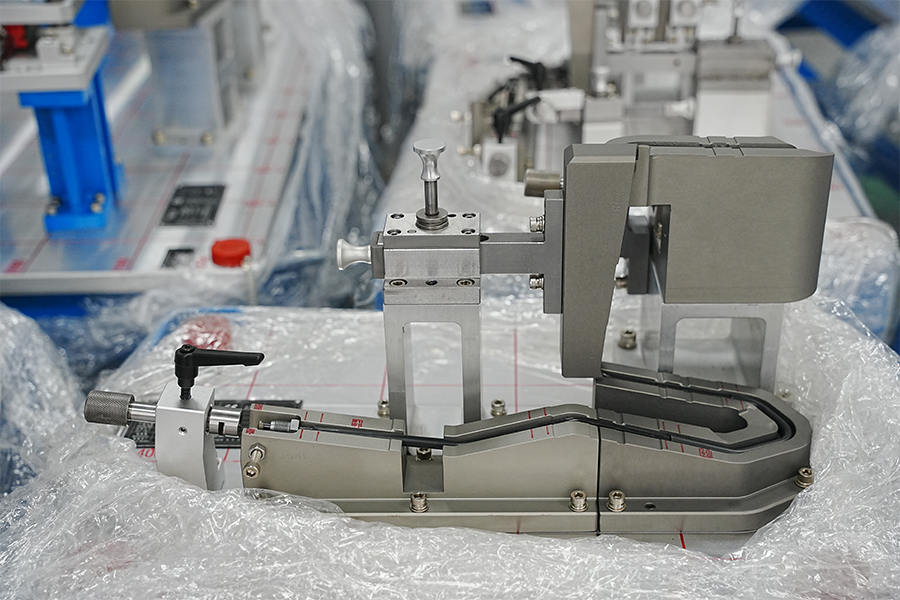
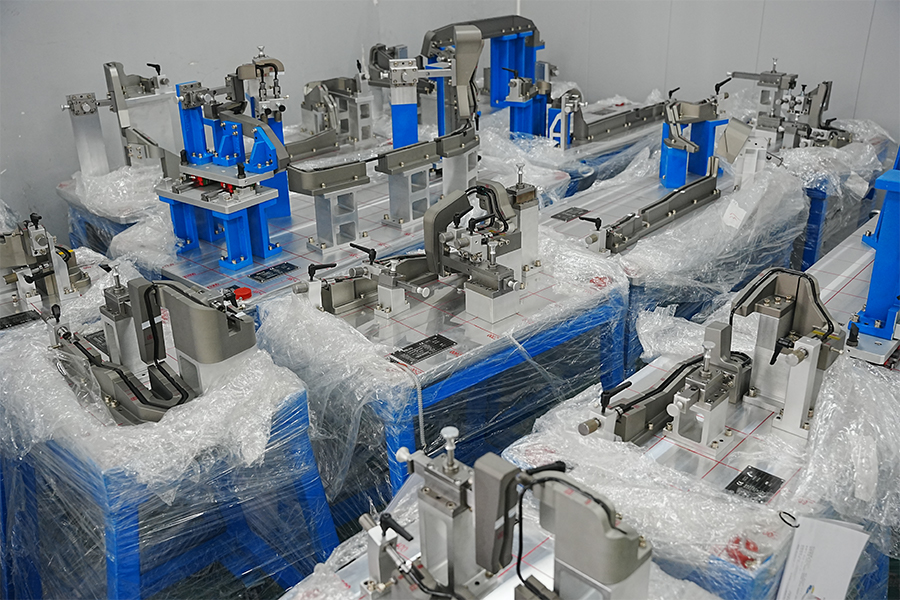
① An Intelligent Springback Compensation System, featuring a built-in database containing springback parameters for 300 different specifications of nylon tubing; by integrating feedback from the *Tube Qualify* 3D optical inspection system, it allows for the pre-setting of compensation angles (e.g., if a springback of 2° is anticipated, the mold angle is increased by 2° in advance). This ensures bending angle tolerances are maintained within ±0.5°, with shape accuracy fully meeting the requirements of inspection fixtures.
② A Flexible Self-Adaptive Clamping Device, utilizing silicone-coated jaws that automatically adjust clamping force based on the nylon tube's wall thickness (typically ranging from 0.5 to 3 mm); this prevents wall indentation or slippage, effectively eliminating issues such as flattening at the bend radius (resulting in elliptical defects) or wrinkling on the inner side.
③ A Real-Time Temperature Monitoring Module, which precisely controls heating temperature fluctuations within a margin of ±2°C, ensuring uniform softening of the tubing material. This minimizes springback deviations at the source, thereby satisfying the stringent requirements for tubing assembly precision demanded by industries such as automotive and electronics.
III. Comprehensive Compatibility: Overcoming Adaptation Challenges in Complex Scenarios
Nylon tubing is widely utilized for routing within confined spaces (such as internal equipment piping), necessitating adaptability to various specifications and tight-radius bending requirements:
① Wide-Ranging Parameter Adaptability: Supports the processing of nylon tubing with diameters ranging from 4mm to 16mm (metric) and 3.18mm to 12.7mm (imperial). It is compatible with common materials such as PA6, PA66, and PA12, and can achieve a minimum bending radius of just three times the tube diameter, effortlessly executing complex 3D bends—including U-shapes and serpentine configurations.
② Customized Tooling and Program Storage: Equipped with multi-specification, non-stick coated molds (preventing nylon adhesion at high temperatures), the system can store up to 300 sets of processing parameters. It supports color customization (e.g., black, blue, orange) and the processing of specialized tubing specifications, reducing changeover time for small-batch production runs by over 60%—making it ideal for customized applications such as specialized equipment piping and medical devices.
③ Adaptation to Extreme Conditions: The processed tubing can withstand temperature fluctuations ranging from -40°C to 125°C. It complies with IP65/IP67 dust and water resistance standards, as well as RoHS 2.0 and REACH environmental regulations, making it suitable for deployment in harsh industrial environments characterized by high humidity, dust, or corrosive elements.
IV. Intelligent Upgrades: Reducing Costs, Boosting Efficiency, and Streamlining Operations
Addressing the demand for lightweight and precision-oriented nylon tubing processing, this equipment deeply integrates intelligent technologies:
① Automated Closed-Loop Integration: Supports fully integrated operations—including robotic loading/unloading, automatic cutting, and stacking—allowing for seamless integration into existing production lines. This reduces manual intervention by 80%, thereby eliminating errors and safety hazards associated with manual heating and clamping processes.
② Comprehensive Process Monitoring: Features intelligent functions such as temperature anomaly alarms, clamping force detection, and mold wear warnings to provide real-time feedback on processing status. This reduces material waste by 15%–25%, specifically minimizing losses caused by nylon tubing becoming brittle and cracking due to excessive heat.
③ User-Friendly Operation Design: Equipped with a multi-language touchscreen interface, the system supports 3D graphic animation programming and collision detection capabilities. No specialized programming knowledge is required; even novices can master the operation after just one hour of training, significantly reducing labor costs for enterprises.
V. Stable and Reliable: Tailored for Long-Term Continuous Production Needs
The mass production of nylon tubing requires equipment capable of operating continuously, 24 hours a day. To ensure this, the machinery incorporates a three-fold stability assurance system:
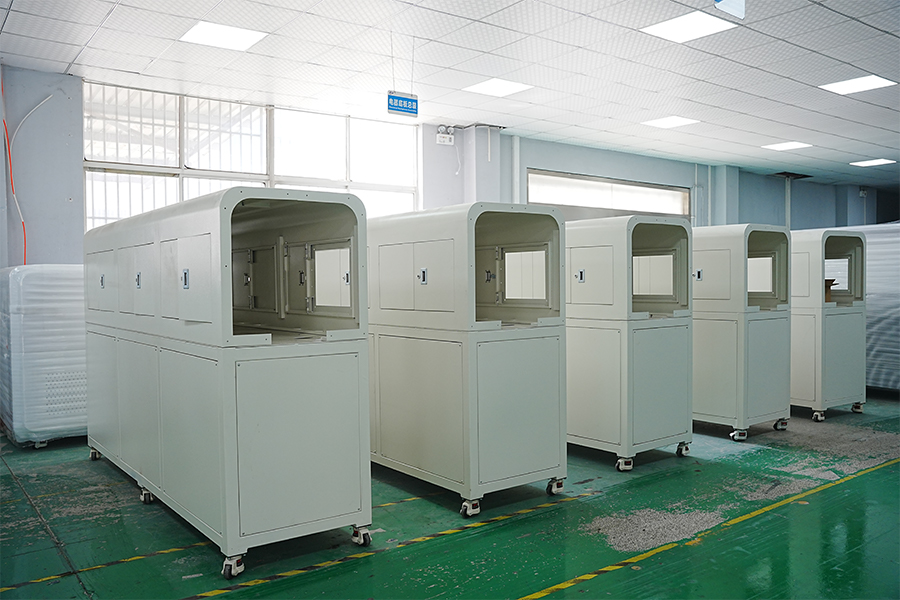
① A balanced design combining rigidity and flexibility, featuring an integrated frame structure that minimizes operational vibration. Core components—such as servo motors and temperature control modules—are sourced from renowned industry brands, keeping the failure rate below 0.8% and ensuring a service life of no less than 8 years;
② A precise temperature control system that utilizes zone heating and constant-temperature compensation technologies to ensure uniform heating. This system is designed to adapt to workshop environments ranging from 5°C to 45°C, effectively preventing temperature fluctuations from compromising molding quality;
③ A low-maintenance design, equipped with an automatic lubrication system and sealed heating units to mitigate the adverse effects of dust and oil contamination on the machinery. This design extends the maintenance cycle by 40% compared to traditional equipment, making it particularly well-suited for the large-scale, standardized production environments typical of industrial automation and automotive component manufacturing enterprises.


 [email protected]
 +86-021-57678482
 +86-18001603006
 Building A, No. 299 Tangming Road, Shihudang Industrial Zone, Songjiang District, Shanghai, China
Copyright © Shanghai Fubei Electromechanical Equipment Co., Ltd. All Rights Reserved Nylon tube bending machine Factory
