

 English
  русский
  Español
  عربى
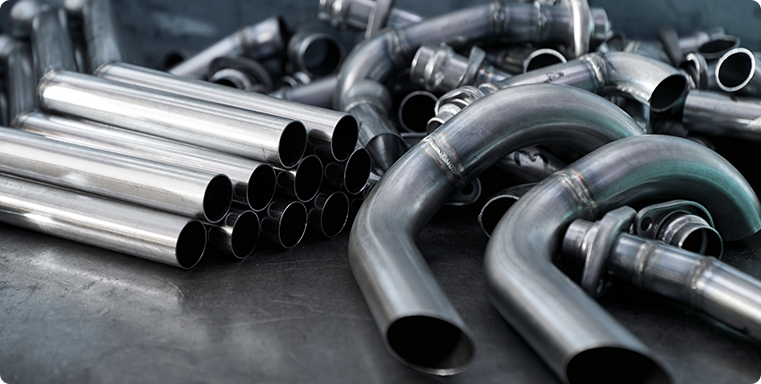
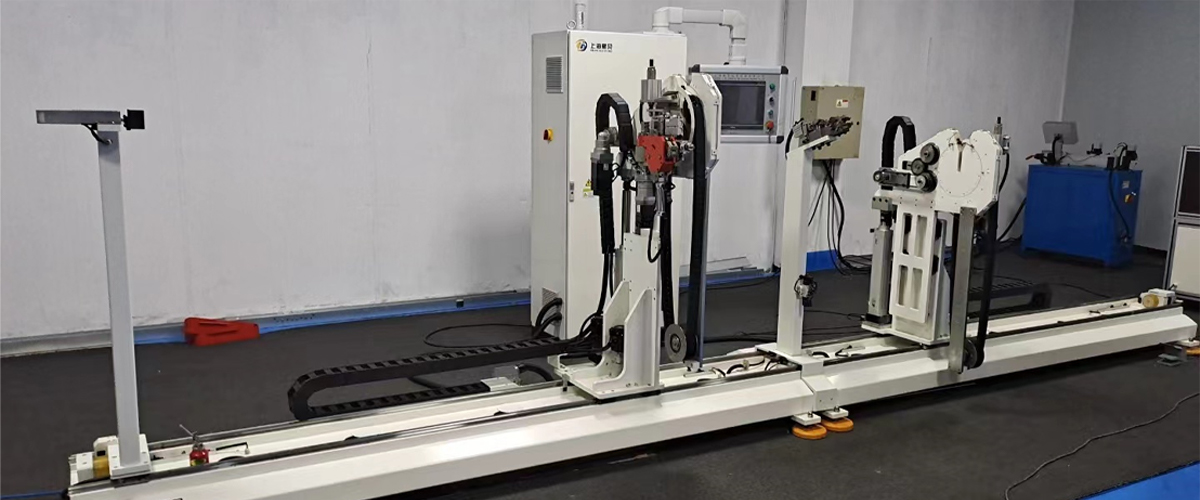
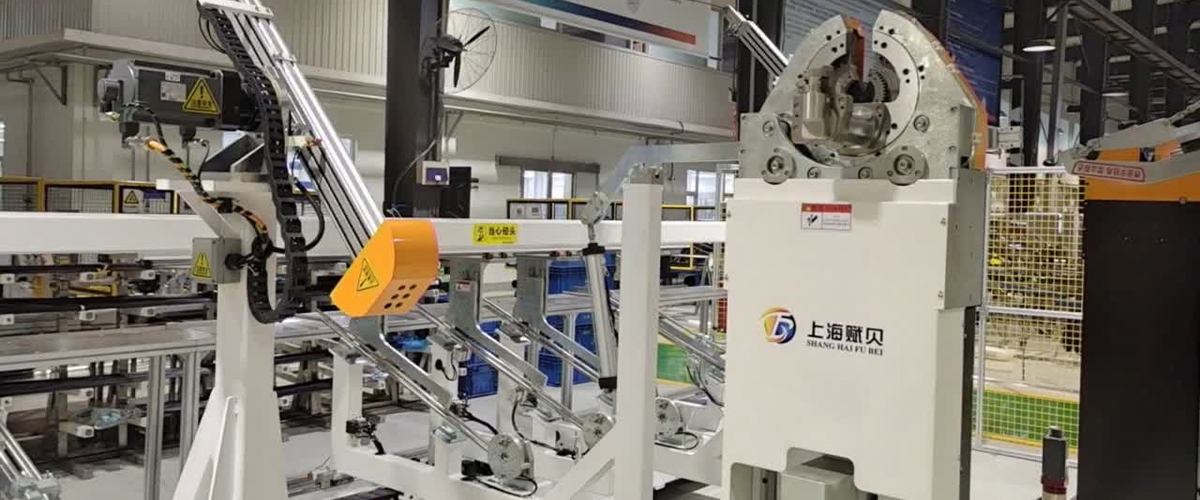
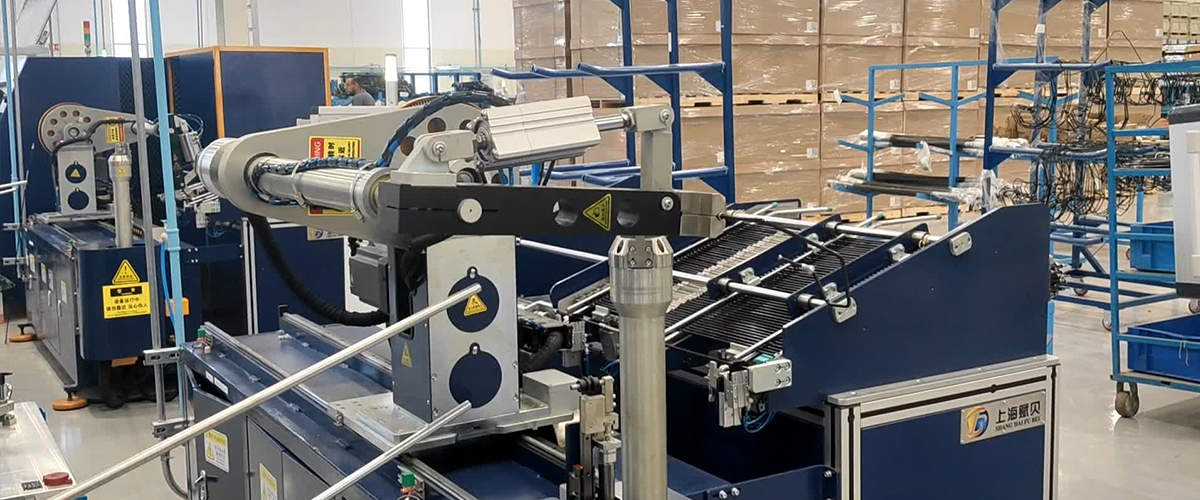
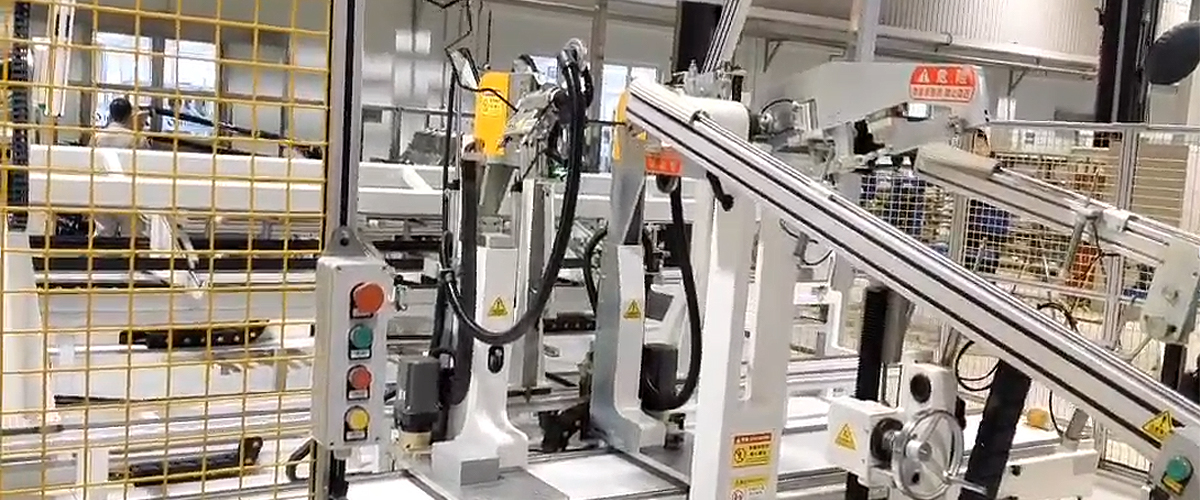
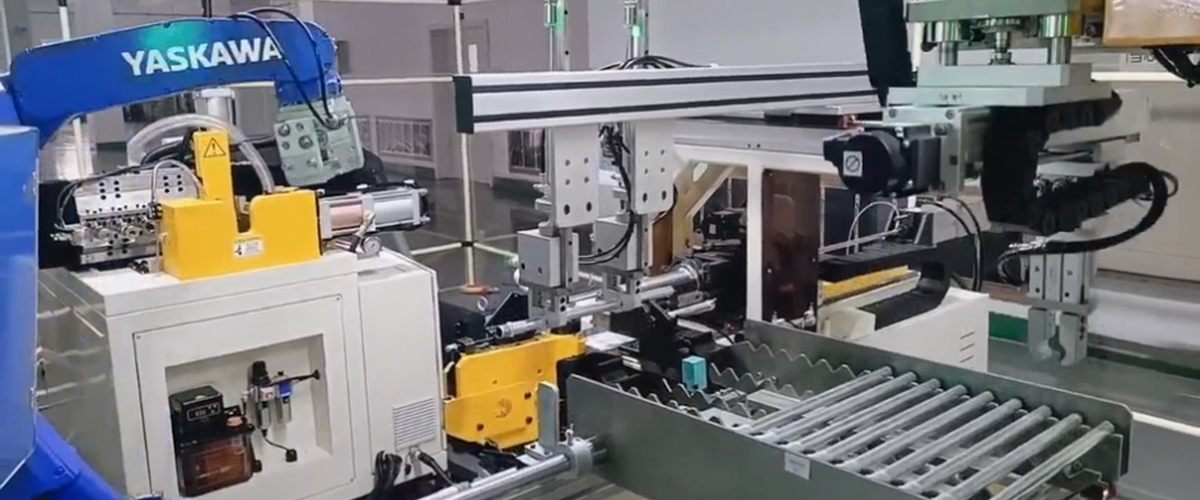
عربى Processing nylon tubing such as PA6 or PA66 requires precise thermal management: the material must reach a specific temperature range to form cleanly, and must be cooled promptly after bending to retain its shape. Traditional equipment separates these steps, creating thermal inconsistency and extending cycle times. This machine integrates all three phases — heating, bending, and cooling — into a single, continuous process.
Integrated Heating System: A precision-controlled electric heating cylinder (peak power: 6.5 kW) delivers steady, uniform heat to the tube before bending. Temperature regulation is maintained throughout the heating phase to keep the material within the 80–125°C window appropriate for PA6, PA66, and similar grades, preventing both under-heating (which causes cracking) and over-heating (which degrades material strength).
Immediate Post-Bend Cooling: The built-in air-cooling system activates immediately after bending, locking the tube into its formed shape before thermal recovery can introduce angle or geometry deviation. This integrated cooling step is what makes the machine's output geometry reliable and repeatable — a significant advantage over manual or multi-station approaches where cooling time and conditions are harder to control.
Servo Dual-Feed for Multi-Bend Accuracy: The servo-driven dual-feed mechanism advances the tube with a feed length tolerance of ±1.5 mm, supporting sequential multi-bend operations in a single loading cycle. Consistent feed accuracy means that the distance between bend points remains controlled even on complex tube profiles.
Cycle Speed: Individual bend operations complete in as little as 0.1 seconds, with a practical range of 0.1–8 seconds depending on tube geometry, providing flexibility for both simple and complex part programs.
Production Efficiency: Against conventional multi-stage equipment, this machine delivers more than 50% improvement in overall production efficiency, and reduces inter-process idle time by approximately 30% in batch scenarios. These gains are directly applicable to high-volume applications such as automotive cooling lines, brake hose routing, and pneumatic circuit tubing.
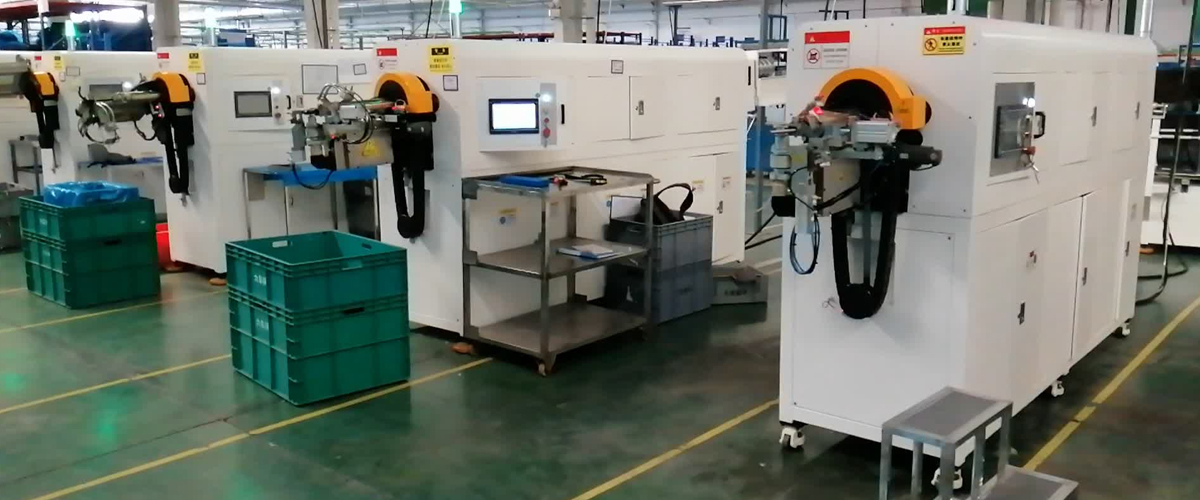
End-to-End Quality Consistency: With heating, bending, and cooling all occurring within one automated cell, part quality no longer depends on the speed or care of manual transfers between stations. Every tube in the batch experiences the same thermal profile and the same forming conditions, which translates into tighter dimensional consistency and lower rejection rates.