English
  русский
  Español
  عربى
عربى Double-Head Pipe Bender For Brake Pipes Suppliers
Home / Products / Tube Bending Machine / Double-Head Pipe Bending Machine / Double-Head Pipe Bender For Brake Pipes

Dual-Station Synchronization: Breaking Through Productivity Bottlenecks
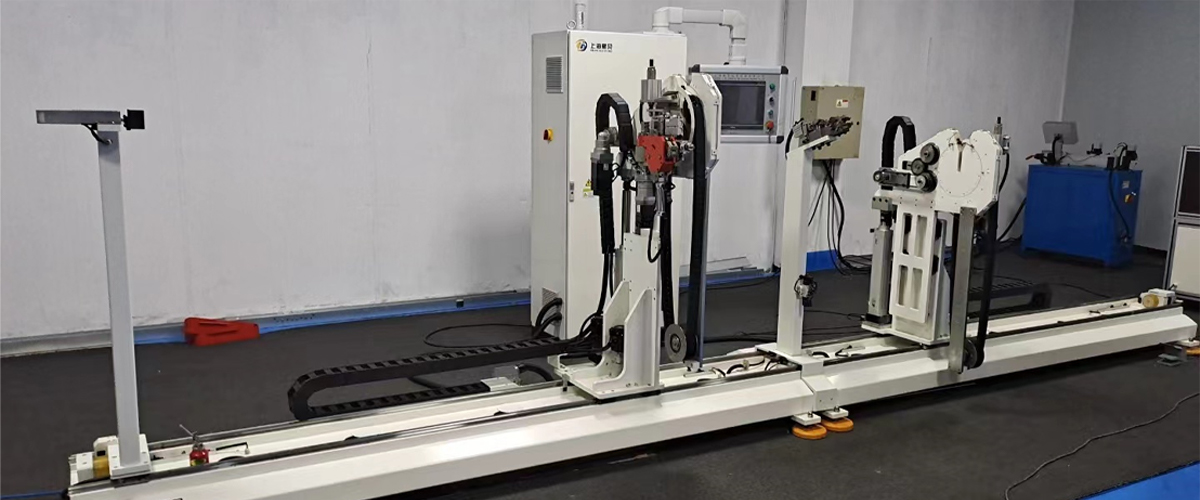
Brake pipes are typically long, slender tubes — such as automotive brake lines. Conventional single-head benders require two separate clamping operations to process both ends, which is time-consuming and prone to positioning errors. The dual-head pipe bender features a synchronized/independent dual-bending-head design that completes both-end bending in a single clamping operation, improving production efficiency by 60%–80% compared to single-head machines. Paired with a servo-driven feeding system (maximum feeding speed: 700 mm/s), the machine enables continuous multi-bend processing, cutting delivery cycles by nearly half in batch production — well suited to the high-volume output demands of the automotive parts industry. The symmetric dual-station setup also reduces the unsupported length of pipes during processing, effectively preventing sagging and deformation in long, slender tubes and maintaining straightness accuracy.
Micron-Level Precision for Braking System Reliability
The bending accuracy of brake pipes directly affects brake fluid flow efficiency and system sealing integrity. The dual-head bender ensures precision through three technical measures: ① A CNC/PLC control system paired with high-end components such as Beckhoff controllers, achieving bending angle accuracy of ±0.05°–±0.1° and repeat positioning accuracy as low as ±0.02 mm; ② Hydraulic/pneumatic dual-clamping devices that firmly hold pipes throughout bending, preventing dimensional deviation from slippage — particularly suitable for thin-walled brake pipes to prevent wall collapse; ③ Offline simulation combined with online inspection, preemptively identifying machining interference and monitoring bending parameters in real time, keeping finished-part consistency errors at the micron level and meeting the stringent quality standards of the automotive industry for braking components.
Broad Process Compatibility for Complex Bending Requirements
Brake pipes must conform to various chassis layouts across different vehicle models, often requiring multi-plane and small-radius bending. The dual-head bender offers strong process flexibility: ① Adjustable parameters for pipe diameter, wall thickness, and bending radius; compatible with carbon steel, stainless steel, and aluminum tubes, covering diameters from 3 mm to 52 mm (customizable), including thin-walled and slender specialty pipes; ② A range of bending die sets combined with 3D visualization programming software to achieve complex three-dimensional bending — even U-shaped and serpentine brake pipes can be formed in a single pass without wrinkles or surface scratches (dies feature anti-scratch coatings to protect pipe finish); ③ Quick die changeover and program storage supporting multiple saved parameter sets, reducing changeover time by more than 50% for small-batch custom orders such as specialty vehicle brake pipes.
Smart Integration for Automated, Cost-Efficient Production
To address cost-control needs in high-volume brake pipe manufacturing, the machine integrates automation technology throughout:
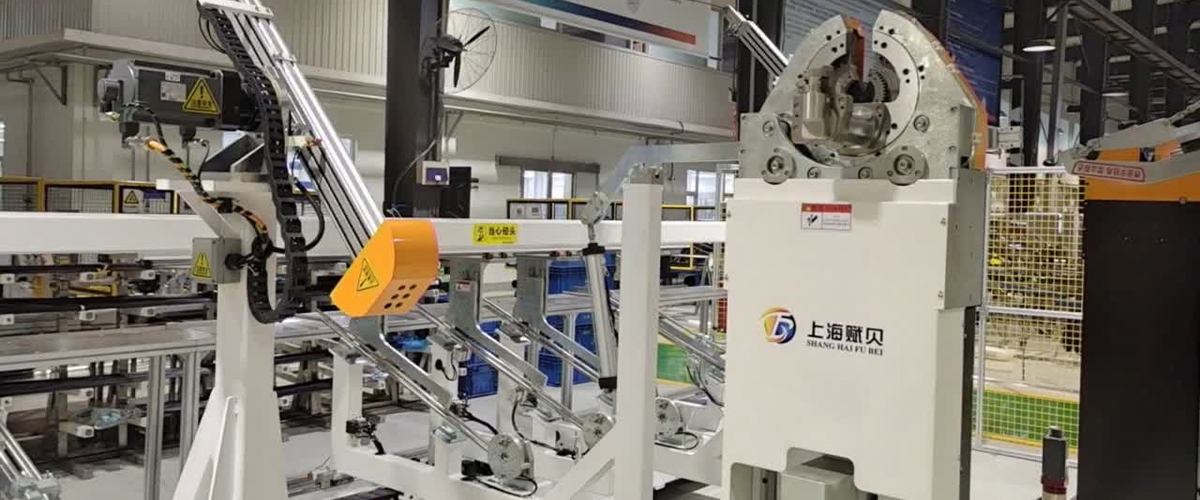
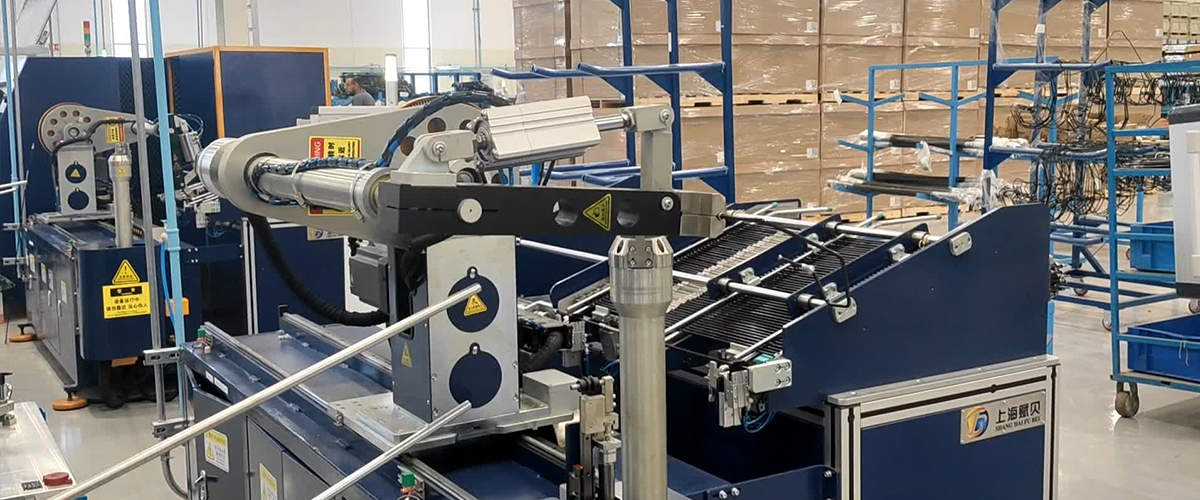
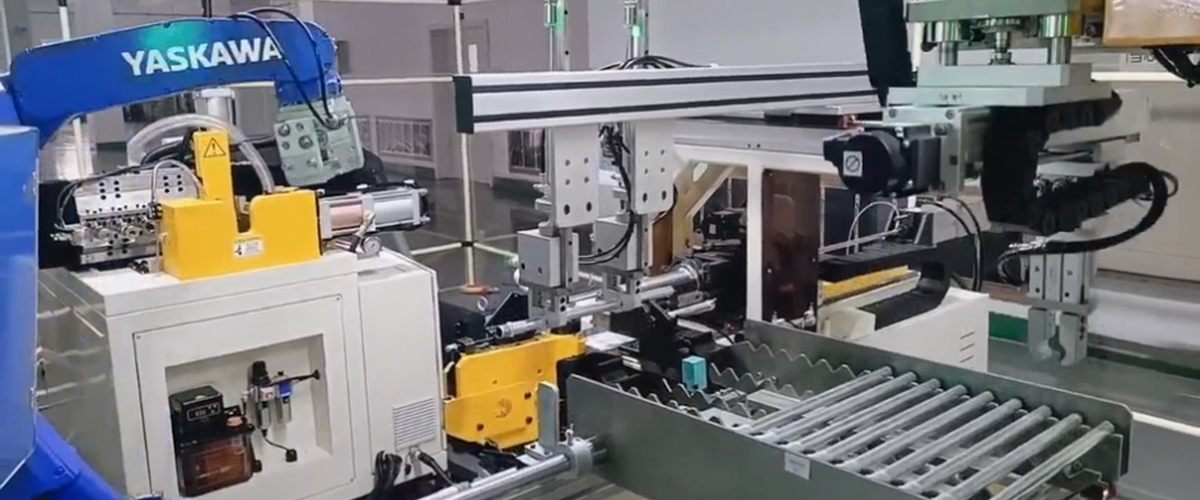
① Robotic loading/unloading and automatic discharge stacking interfaces allow seamless integration into production lines, reducing manual operations and cutting labor costs by over 80% while eliminating human error from manual clamping;
② Intelligent functions including automatic weld-seam recognition, clamping force detection, and wear alarms provide real-time monitoring of machine status and processing quality, reducing material waste by 15%–20% in line with green manufacturing principles;
③ A multilingual touchscreen interface (Chinese/English) with graphical animation programming and collision detection lowers operator training requirements, enabling new users to become productive quickly.
Stable and Reliable for Long-Term Continuous Operation
Brake pipe production demands around-the-clock operation. The dual-head bender features a rigid, integrated frame engineered to carry dual-head bending loads with minimal vibration. Core components — including the hydraulic power unit and linear guides — are sourced from recognized brands such as Schneider and Igus, keeping failure rates below 0.5% and targeting a service life of no less than 10 years. An automatic lubrication system and sealed cabinet design allow the machine to perform reliably in demanding workshop environments, reducing maintenance frequency and supporting long-term stable batch production — particularly suited to the large-scale, standardized manufacturing operations of automotive parts suppliers.


 [email protected]
 +86-021-57678482
 +86-18001603006
 Building A, No. 299 Tangming Road, Shihudang Industrial Zone, Songjiang District, Shanghai, China
Copyright © Shanghai Fubei Electromechanical Equipment Co., Ltd. All Rights Reserved Double-Head Pipe Bender For Brake Pipes