English
  русский
  Español
  عربى
عربى CNC Double-Head Pipe Bending Machine Suppliers
Home / Products / Tube Bending Machine / Double-Head Pipe Bending Machine / CNC Double-Head Pipe Bending Machine

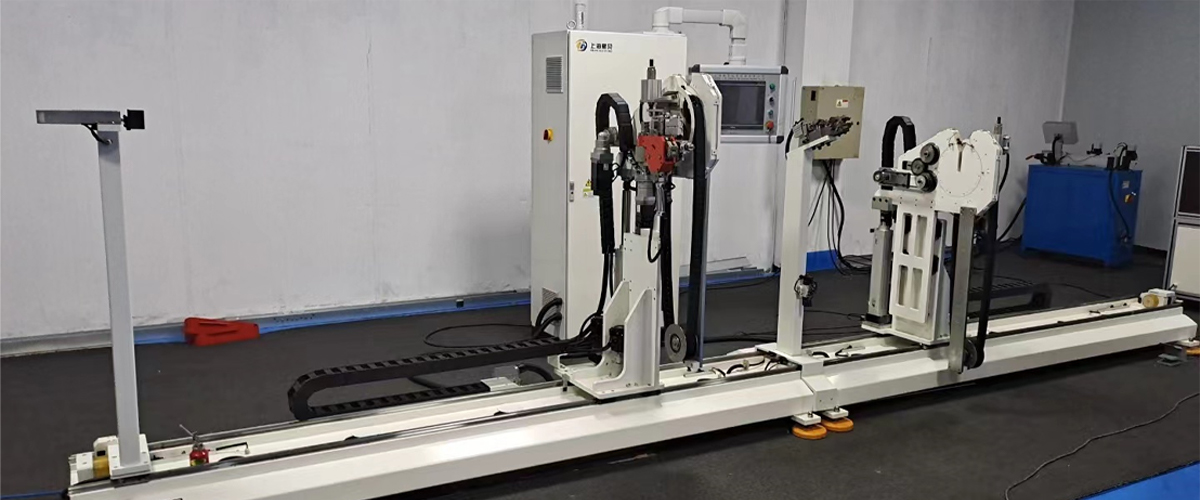
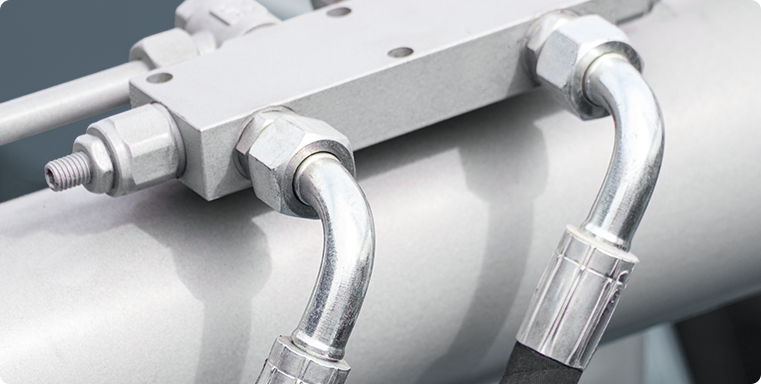
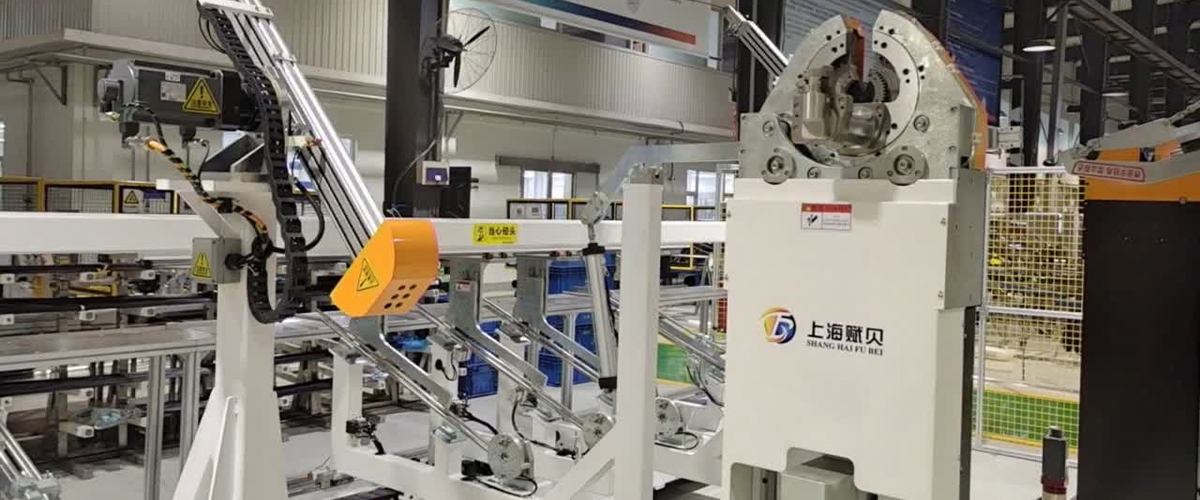
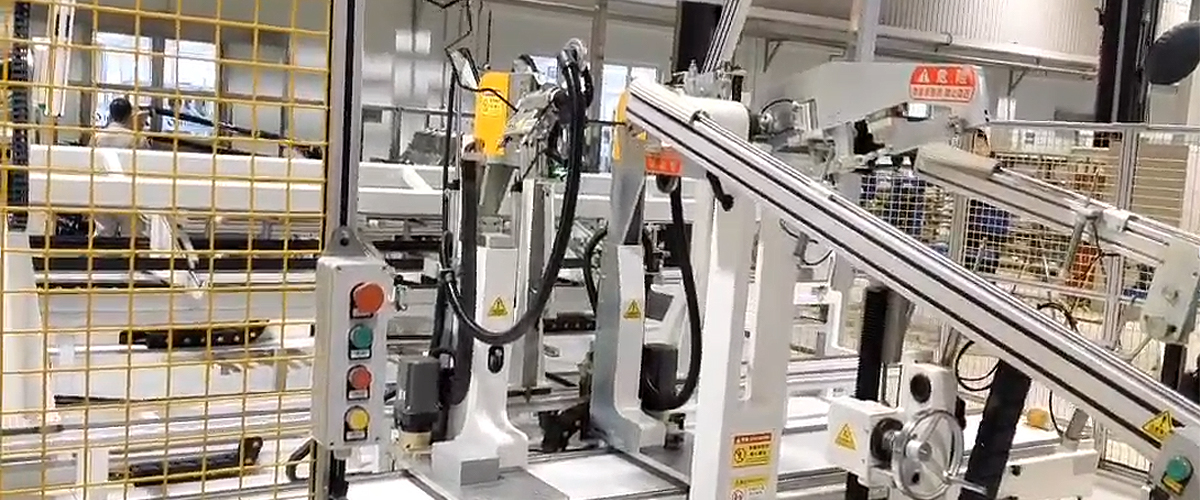
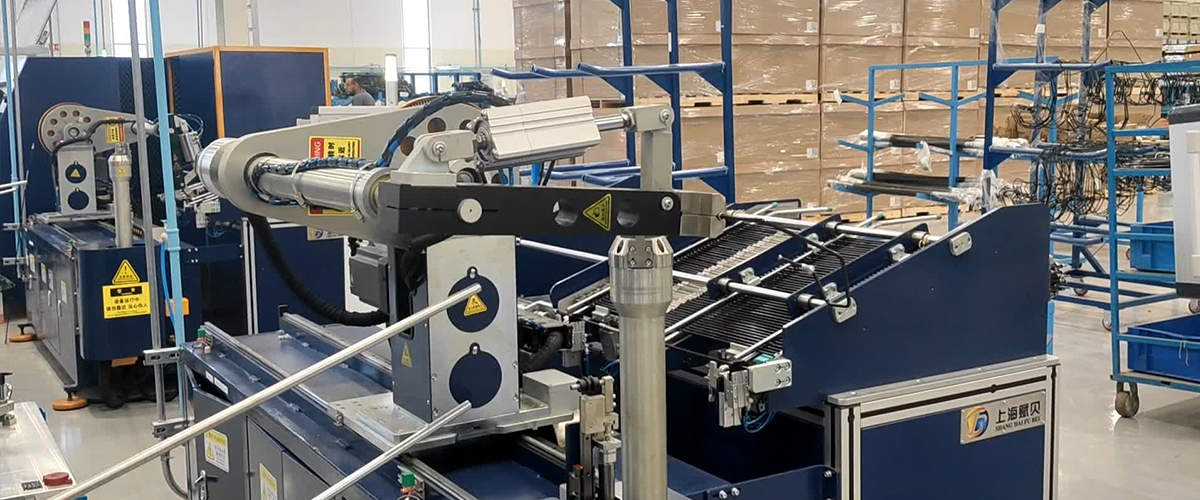
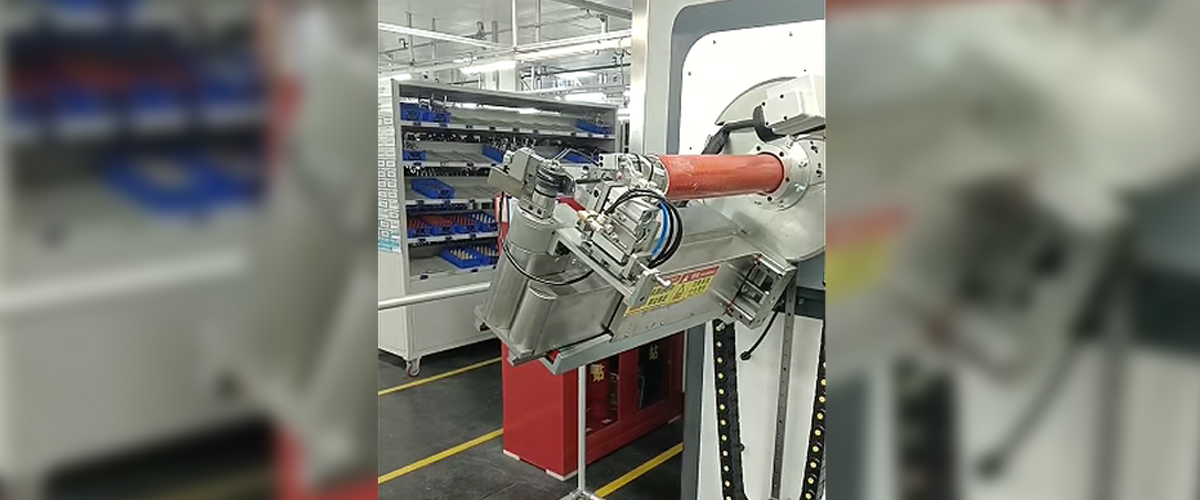
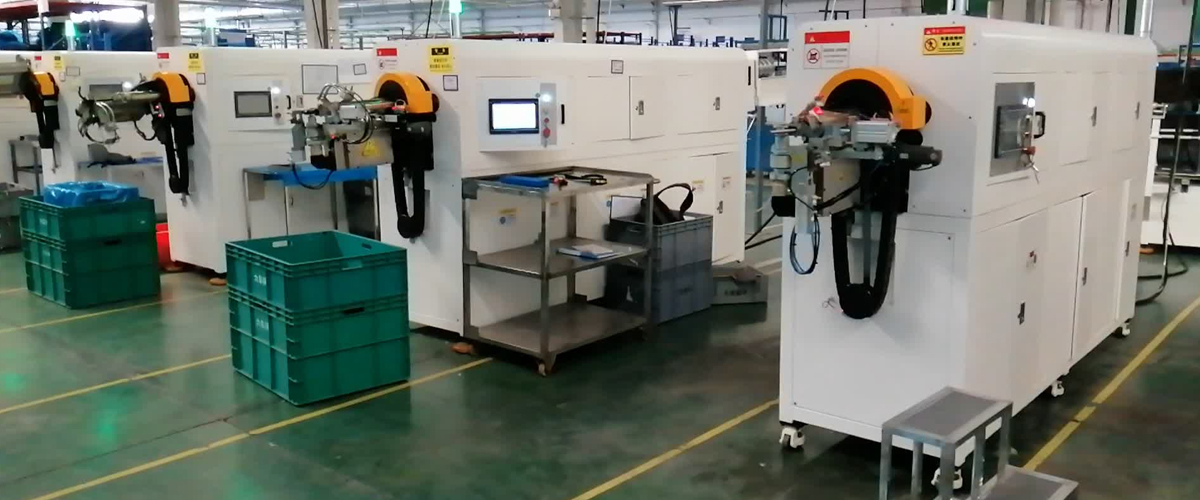
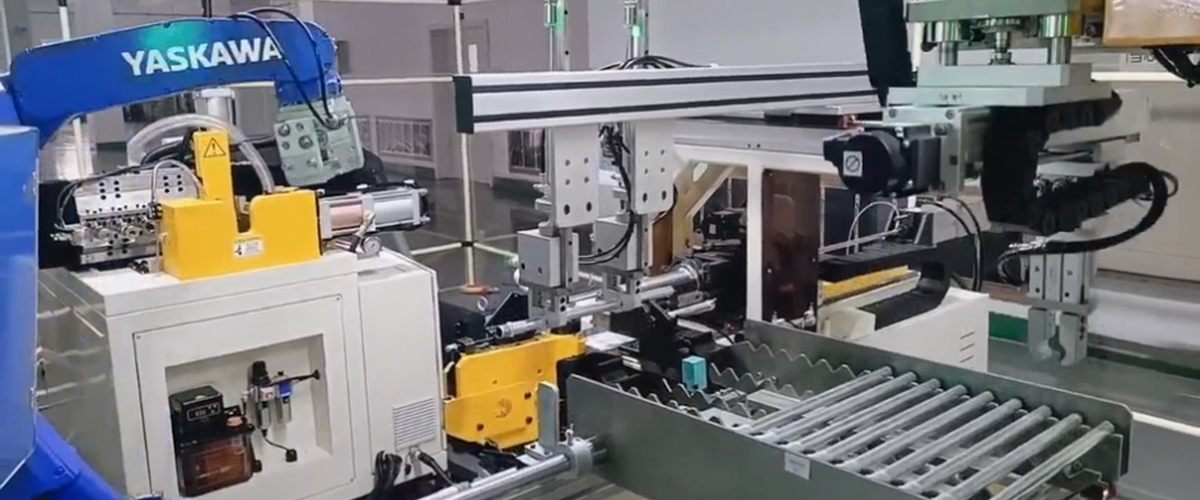
Designed for high-precision, high-volume production of brake and hydraulic lines in the 1,000–5,000 mm length range, this CNC dual-head pipe bender integrates fully automatic loading and unloading at both ends, minimizing manual intervention while maintaining consistent output quality.
Control and Operation: The machine operates via a CNC control system with a touchscreen interface, making programming and parameter adjustment accessible without specialized training. All axis movements are executed through a 15-axis servo drive system, delivering coordinated, high-accuracy motion across every phase of the bending cycle. Servo feedback ensures repeatable positioning and smooth multi-bend sequences, offering a measurable advantage in dimensional consistency over conventional hydraulic-only systems.
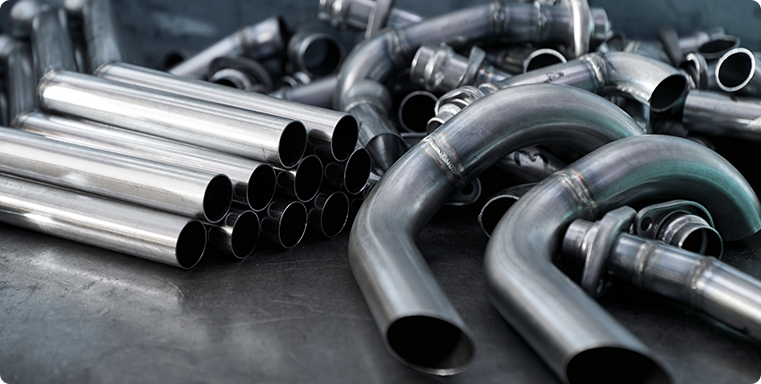
Processing Capability: The machine handles tube outer diameters from 4.76 mm to 6.35 mm with a wall thickness of 0.7 mm, and supports bending angles up to 180° — covering the full range of shapes required in brake pipe and hydraulic line applications.
Coordinate Calculation and Straight-Segment Generation: An integrated calculation module automatically converts XYZ spatial coordinates into YBC machine parameters (feed distance, bending angle, rotation angle) and generates precise straight-segment values between any two bend points. This simplifies complex program creation and reduces the likelihood of setup errors, particularly for multi-bend three-dimensional tube geometries.
Per-Operand Correction Fields: Each programmed operand is paired with a dedicated correction field displaying the original set value and the applied positive or negative offset. Corrected values can be saved independently, allowing fine-tuning without modifying the master program — supporting consistent quality across long production runs and between shifts.
50 Bend Points Per Head: Each bending head supports up to 50 programmable bend points, providing ample capacity for complex routing geometries and reducing the need to split complicated parts across multiple clamping cycles.
Three-Layer Die Wheel System: The three-layer die wheel configuration expands forming options: the first layer processes standard bare tubing; the second layer accommodates jacketed or insulated pipes without damaging the outer sheath; the third layer provides a clearance position to prevent tooling collision during tight multi-bend sequences.
Independent Bend Direction per Step: Each bending head can be independently set to bend left or right at every individual processing step, giving programmers precise control over complex three-dimensional tube shapes without repositioning or re-clamping the part.


 [email protected]
 +86-021-57678482
 +86-18001603006
 Building A, No. 299 Tangming Road, Shihudang Industrial Zone, Songjiang District, Shanghai, China
Copyright © Shanghai Fubei Electromechanical Equipment Co., Ltd. All Rights Reserved CNC Double-Head Pipe Bending Machine