

 English
  русский
  Español
  عربى
عربى Industry News
Home / News / Industry News / Fully Automatic Single-Head Pipe Bending Machine: A Complete Buyer's Guide

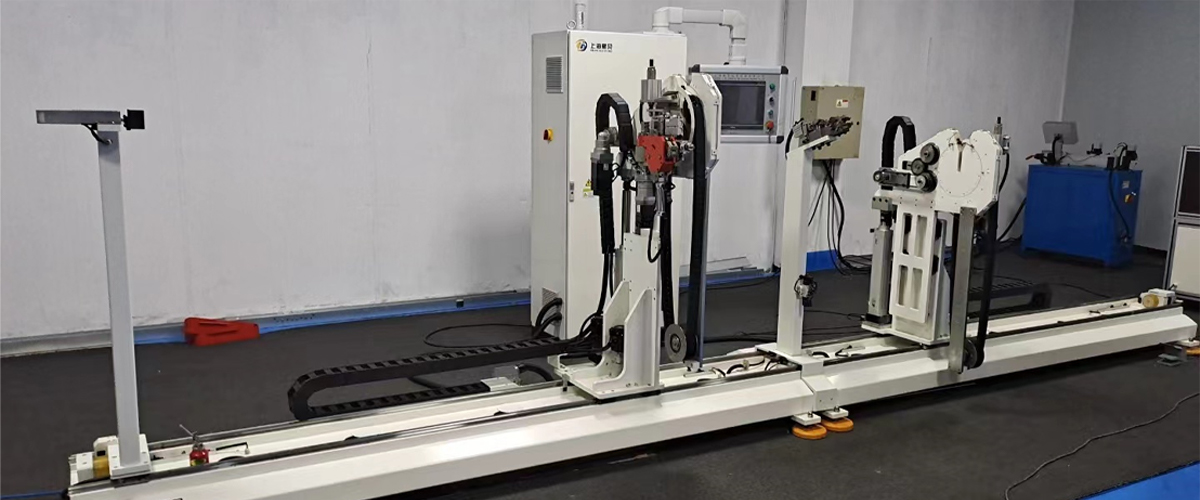
Walk through any busy tube fabrication floor and a pattern appears: the machines that cause the least trouble are rarely the ones people talk about. A fully automatic single-head pipe bending machine is exactly that kind of quiet workhorse. It feeds, clamps, bends, rotates and repeats from a stored program, shift after shift, so one operator can look after several machines instead of standing at one.
We have been building tube processing equipment since 2012, and single-head benders remain among the most requested machines in our range. The same questions come up from plant managers, process engineers and shop owners: what does "fully automatic" really change, how do I compare two machines on paper, and when is a single-head design the better choice? This guide answers those questions in plain language, and it comes from people who build these machines rather than just sell them.
Content
A single-head pipe bending machine forms one bend at a time around a single bending head. That part is simple. The word "automatic" is where machines differ enormously, and it pays to be precise about it.
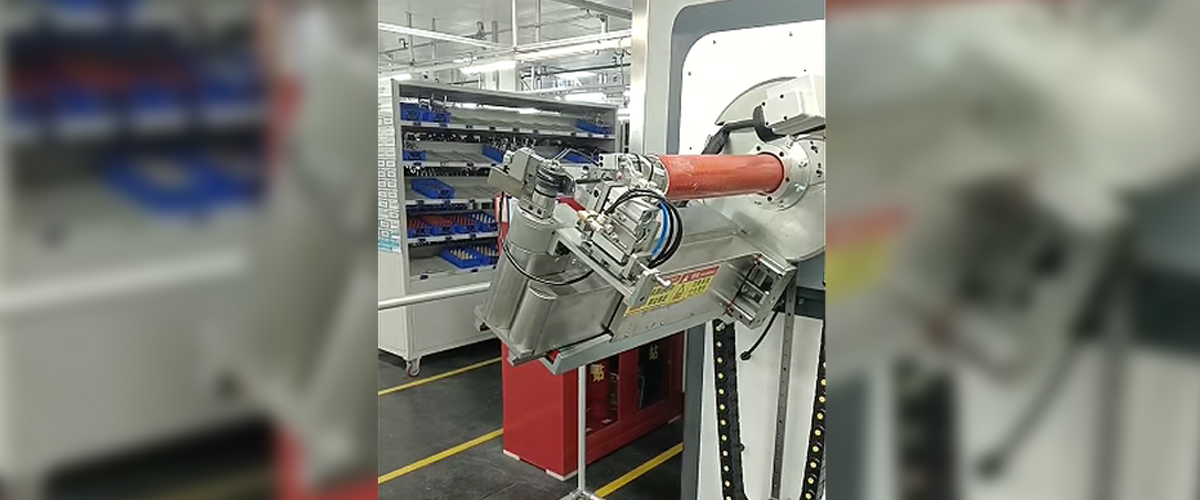
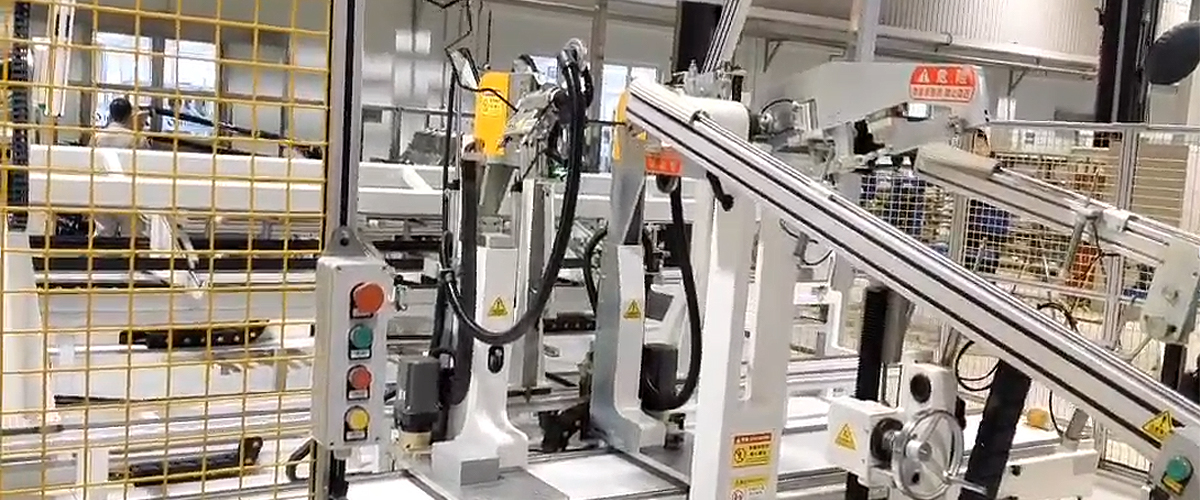
On a genuinely fully automatic machine, the entire sequence runs from a stored program: the carriage feeds the tube to a programmed length, the clamp and mandrel close, the bend arm rotates to the programmed angle, the collet rotates the tube to the next bend plane, and the cycle repeats until the part is complete. Nobody repositions the tube by hand and nobody turns a handwheel to set an angle. If an operator still has to measure, mark or manually rotate the tube between bends, the machine is semi-automatic at best.
If you would like the short version first, our article explaining what a fully automatic single-head pipe bending machine is covers the basics in a few minutes.
For a closer look at the configuration we build most often, open the machine page below.
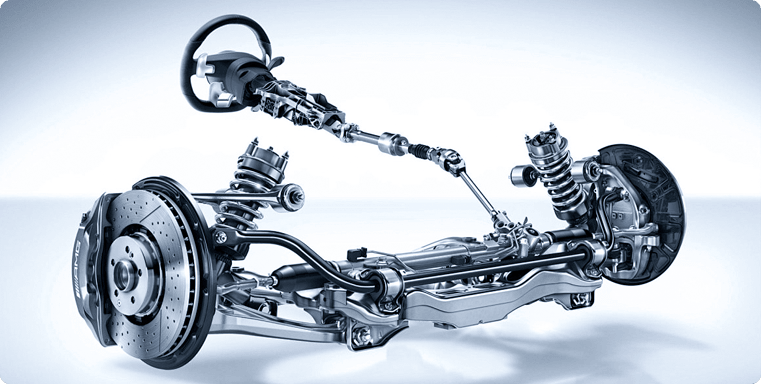 Fully Automatic Single-Head Pipe Bending MachineFull Automation: Reducing Costs While Improving Throughput The machine features a fully automatic bending system requiring no manual intervention throughout the bendin...View Product →
Understanding the sequence helps when you compare quotations, because two machines with similar price tags can have very different cycle times.
Every one of those movements is a servo axis on a fully automatic machine, and each adds a fraction of a second to the cycle. On a part with six or eight bends, the difference between smooth axis coordination and clumsy sequencing shows up as hundreds of parts per shift.
The most common question we hear is whether a buyer should choose a single-head or a double-head machine. The honest answer is that they solve different problems, and many factories eventually run both.
| Aspect | Fully automatic single-head | Double-head machine |
|---|---|---|
| Bending pattern | One bend at a time, in any angle and plane | Two bends formed simultaneously |
| Best suited to | Complex parts with several bends in different planes | Simple symmetrical parts with two bends |
| Tooling changes | Straightforward, handled from the program | More tooling to align for each part number |
| Cycle time on simple parts | Longer, because bends run sequentially | Shorter, because both bends run together |
| Floor space | Compact footprint | Larger footprint and heavier base |
| Typical work | Brake lines, fuel lines, air conditioning tubes, general tube fabrication | Symmetrical brackets, frames and some brake pipe families |
Specification sheets all look alike, so it helps to know which numbers genuinely affect your parts.
| Specification | Why it matters |
|---|---|
| Maximum tube diameter | Sets the ceiling for your heaviest current and future part |
| Bend radius capacity | Determines the smallest die you can run and the tightest bend you can form |
| Bend angle range | Confirms the machine covers the angles on your drawing without special tooling |
| Feeding length | Limits the longest straight section between bends |
| Rotation range | Decides whether multi-plane parts can run in one cycle |
| Repeatability | Controls scrap rate and how much inspection your operators must perform |
| Control system | Affects changeover speed, program storage and troubleshooting |
Tube material shapes the setup as much as the machine does. Carbon steel and stainless steel demand firm mandrel support and a sensible lubricant choice, because springback and wall thinning are less forgiving than they look on paper. Copper and aluminium bend more easily but mark more easily, so die surface finish and clamping pressure deserve attention. Nylon and PA tubing behave differently again, with more springback and a real risk of collapse if the tooling is not matched to the wall thickness. For those jobs we build dedicated nylon tube bending machines, which hold the tighter tolerances that polymer tubing requires.
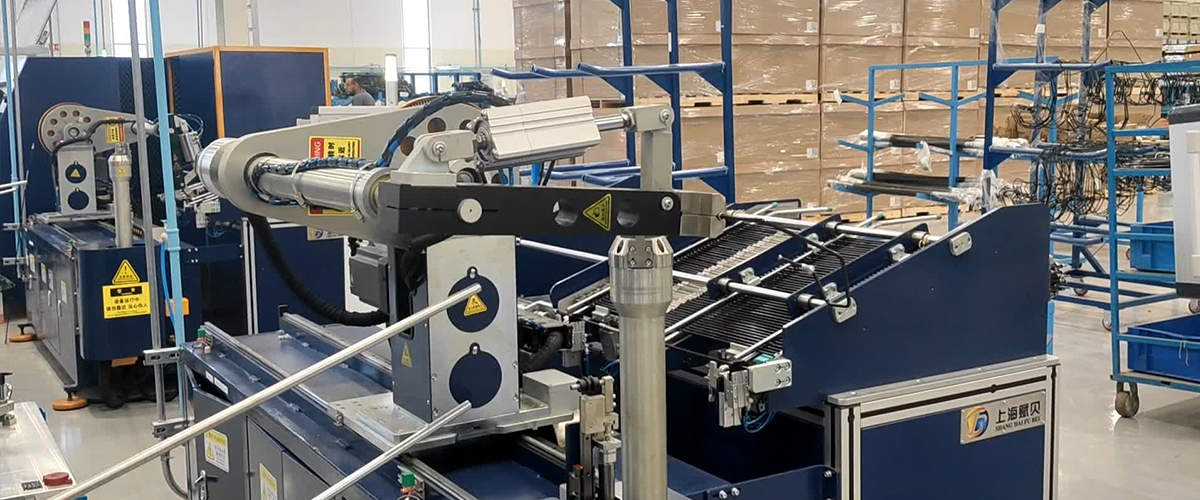
Nylon Tube Bending MachineNylon tubing — including PA6 and PA66 materials — must be heat-softened before it can be formed without cracking or uneven deformation. Traditional processing requires...View Product →Most of the single-head machines we ship end up in automotive and air conditioning supply chains. Brake lines and fuel lines need tight, repeatable bends with a clean inner bore, because any internal scoring becomes a quality issue downstream. Air conditioning lines add their own twist: thin aluminium walls, several bend planes on one part, and volumes that punish slow changeovers.
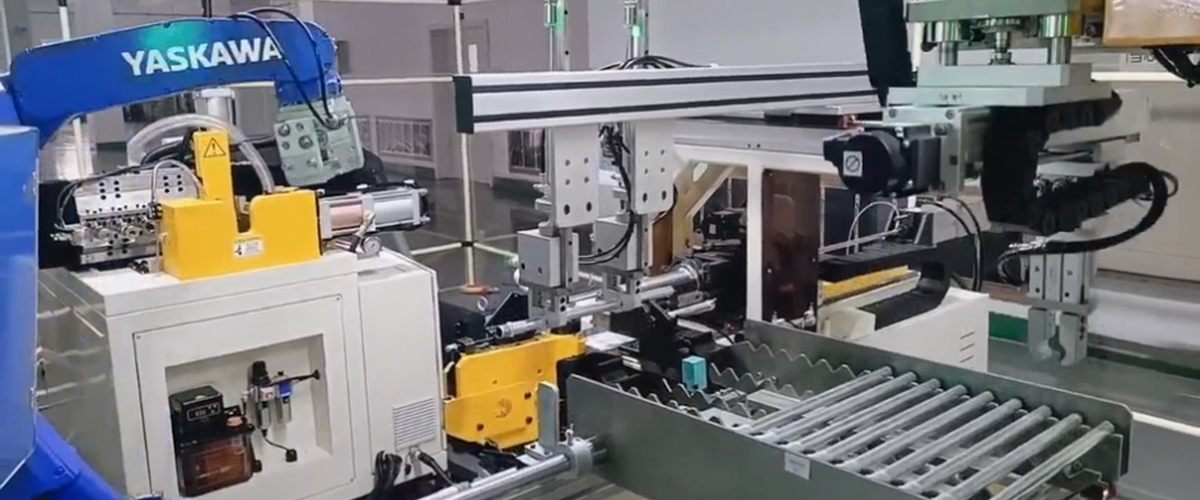
When volumes justify it, we extend the same bending logic into a turnkey line so that forming, bending and end processing run as one flow instead of three separate queues. That is the shortest path from a batch of tubes to a finished assembly that reaches the leak test already correct.
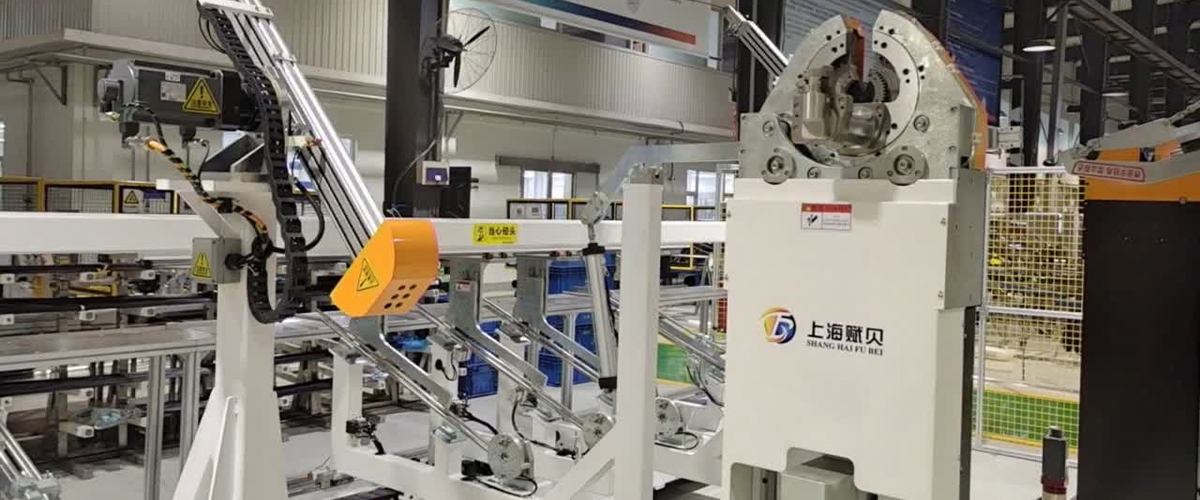
Automatic Production Line for Automotive Air Conditioning Pipe FormingThis flexible automated line is designed for tube parts requiring different operations at each end — integrating automatic loading, first-end forming, tube bending, se...View Product →Most bending problems we are asked to solve turn out to be tooling or setup issues rather than machine faults. A short, disciplined daily routine prevents the majority of them.
We are a Shanghai-based manufacturer of tube processing equipment, founded in 2012, and our product range covers bending machines, tube end forming machines, chamfering machines, spinning machines and crimping machines, along with automated tube processing lines built around specific part families. Our machines use servo control, human-machine interfaces and computer control systems, which is how we deliver the accuracy, cycle time and service life that production planners expect.
Because we build both single machines and complete lines, we can tell you honestly when a fully automatic single-head machine is enough and when a different configuration will serve you better. You can learn more about our background and capabilities if you would like the full picture before we talk.
Sending us a drawing or a sample part is the fastest way to get a straight answer. We will look at the bend pattern, the material and the volumes you expect, then tell you which machine configuration fits and what tooling it needs. No guesswork, no overselling, just a clear recommendation from a team that has been bending tubes for more than a decade.

 [email protected]
 +86-021-57678482
 +86-18001603006
 Building A, No. 299 Tangming Road, Shihudang Industrial Zone, Songjiang District, Shanghai, China
Copyright © Shanghai Fubei Electromechanical Equipment Co., Ltd. All Rights Reserved Automated Pipe Processing Equipment Factory
