

 English
  русский
  Español
  عربى
عربى Industry News
Home / News / Industry News / Automated Pipe Processing Equipment: A Buyer's Guide to Machine Selection

Automated pipe processing equipment is not a single machine; it is a decision about how many steps in tube production can run without manual measurement and adjustment. The best time to automate is when your part geometry is stable, your volumes justify a faster cycle, and your quality problem comes from human handling. This article explains what the equipment category actually includes, how to choose between stand-alone machines and automatic lines, and how to reduce the risk of buying the wrong configuration.
Content
Automated pipe processing equipment covers machines that form, cut, bend, or prepare the ends of hollow round workpieces under programmatic control. It includes CNC pipe benders, double-head bending machines, single-head benders, end formers, chamfering machines, spinning machines, and crimping machines. It also includes integrated lines in which a tube is loaded from a bundle, bent, formed, and unloaded without an operator touching it.
Three operations matter most in automotive and HVAC production: bending changes the path of the tube; end forming creates a flange, bead, or reduced diameter so a hose or fitting can be attached; and cutting or chamfering determines how cleanly the tube enters the next station. Automated equipment controls these steps with servo drives, stored programs, and sensors. That is what separates it from a manual bender or a hand-held chamfer tool.
| Equipment category | Typical operations | Key consideration |
|---|---|---|
| Pipe bending machines | Single- or double-head bending, CNC control | Can one machine cover all bend radii in your part family? |
| End forming and chamfering machines | Flaring, beading, reducing, chamfering | Are tube ends ready for fittings before assembly? |
| Automatic production lines | Feeding, bending, forming, unloading | Do you need continuous flow to remove buffers? |
Use this table as a starting point, not as a final specification. The exact layout depends on tube diameter, wall thickness, material, and bend radius.
Automated pipe processing equipment is often sold by the number of CNC axes, but the quality of the output depends on clamping force, bend die material, mandrel support, and tooling alignment. Thin-wall tubes need a mandrel to prevent wrinkles and collapse on the inside radius. High-strength steel and aluminum require a stiff frame that holds tolerances without deflection. Ask for achievable tolerance on bend angle, plane, and end length. Common expectations for automotive tube bending are about ±0.1° on angle and ±0.1 mm on position, but those values require correct tooling and operator setup.
Material also changes the machine configuration. A nylon or PA tube behaves differently from a steel brake line. Bending nylon requires lower pressure and different mandrel or die geometry to avoid flat spots. If your product includes plastic tubing, your equipment list should include dedicated bending tools or a machine with adjustable parameters.
End operations are just as important as the bends. Flaring, beading, and chamfering happen after the tube is bent. If you automate the bender but still prepare ends by hand, the assembly quality will still suffer. Automated lines solve this by integrating operations, while stand-alone machines can achieve the same result with better scheduling and handling.
Most procurement mistakes happen because the buyer starts with a machine type instead of a part family. Ask these three questions first.
Single bent tubes with one or two bends on the same side can be handled by a single-head machine. Parts that require bends on both ends are better suited to a double-head machine, because the two sides stay coordinated and the operator does not need to turn the tube between operations. For families with multiple diameters and bending angles, a CNC doublehead pipe bending machine with servo-driven axes gives you repeatability and faster program changeover.
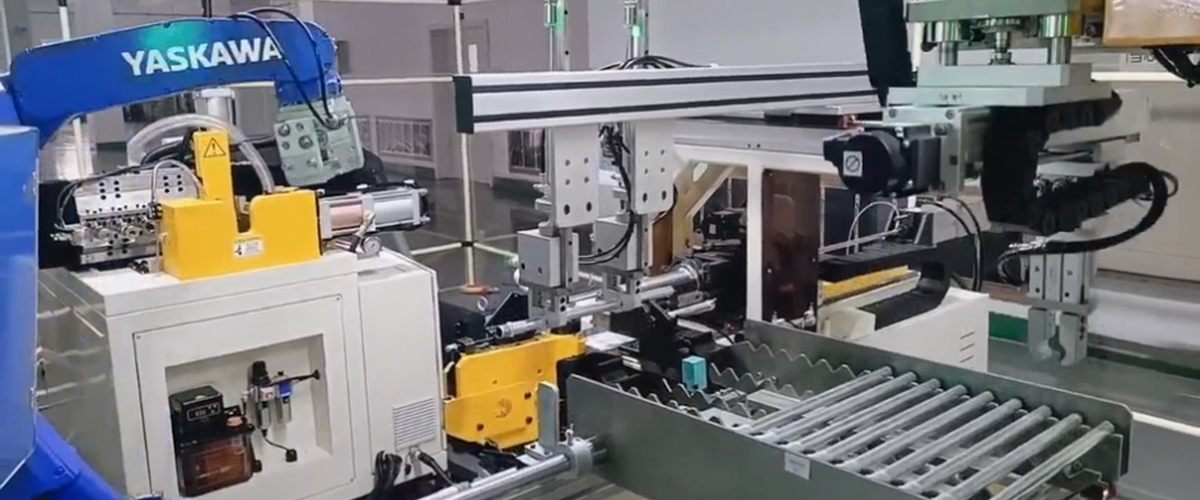
 CNC Double-Head Pipe Bending Machine for Brake and Hydraulic LinesThis servo-driven dual-head bender handles tubes from 4.76 to 6.35 mm, bending up to 180° with automatic loading. Its integrated coordinate conversion simplifies multi-bend programming, making it a strong fit when you need consistent double-end bends without turning parts between operations.View Product →
Define required output in parts per hour and the number of shifts. A stand-alone machine is enough if the bender is not the bottleneck. If you need high output across multiple stations, a more automated configuration is justified. Avoid buying extra capacity you will not use for several years, because it adds maintenance cost and floor-space pressure.
For small batches, the time spent changing tools and loading new programs is direct cost. Fully automatic single-head pipe bending machines help here because they combine stored programs, powered positioning, and quick clamping. They allow one machine to move from one tube diameter to another with minimal manual setup. By reducing changeover time, they also make smaller batch runs economically viable.
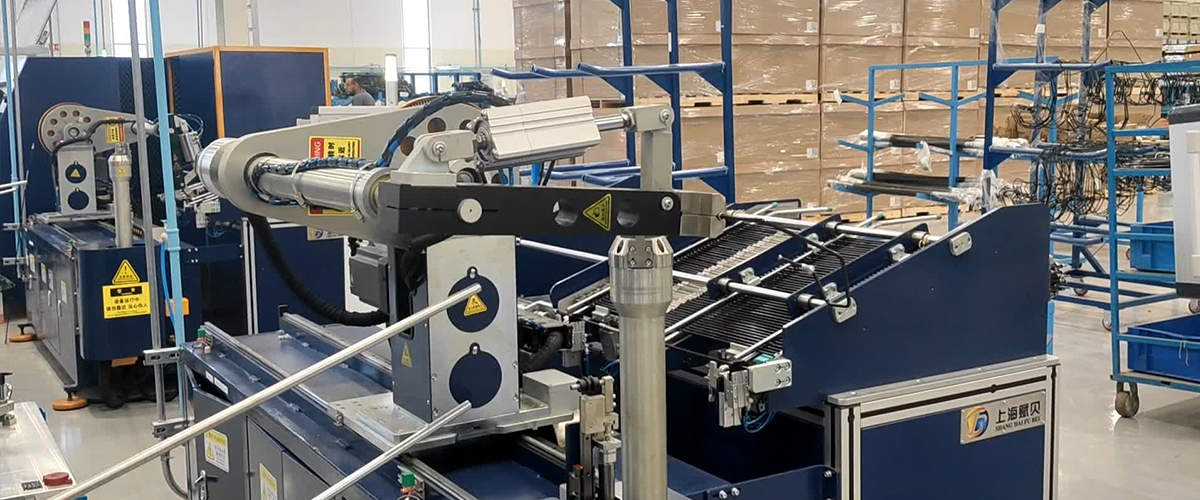
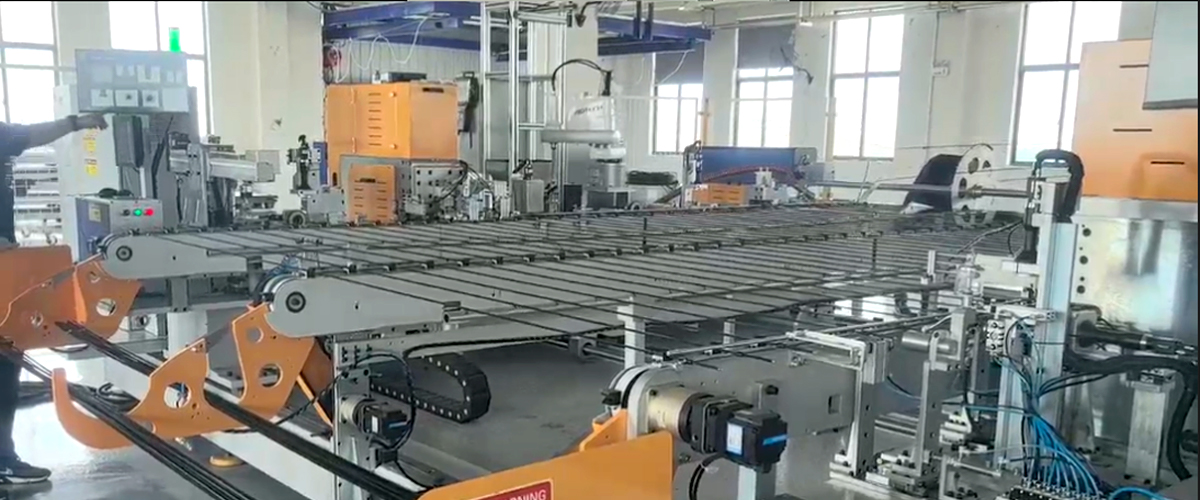
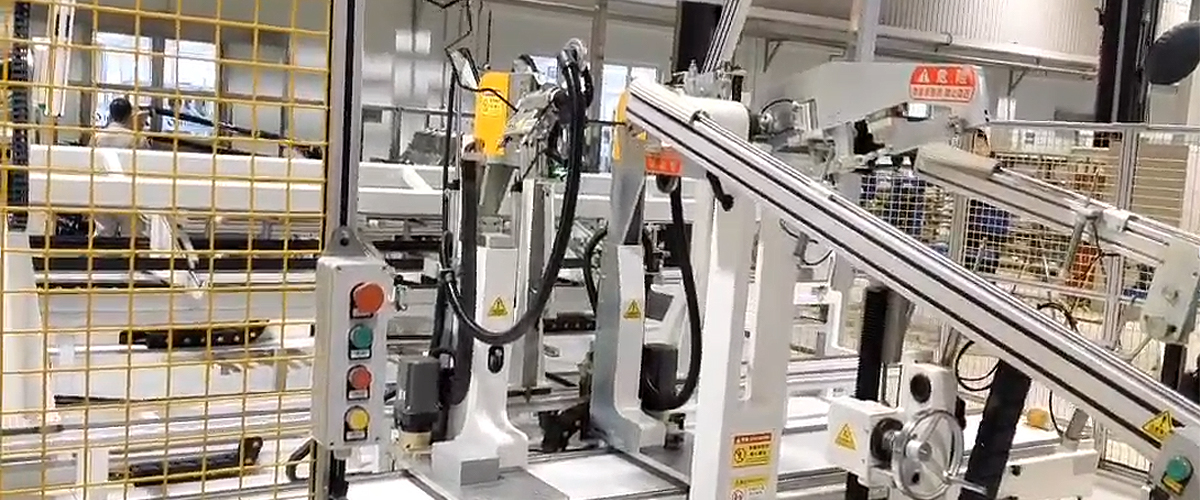
Fully Automatic Single-Head Pipe Bending Machine with Siemens PLCFeaturing a Siemens PLC and full servo drive, this machine automates loading, bending, and output to reduce manual labor and the dimensional errors manual handling can cause. Its compact design and compatibility with complex geometries suit small-batch production where quick changeover lowers overall cost.View Product →The move from a single pipe bending machine to an automatic line is justified when the bottleneck is material handling or when the part requires more than one operation in sequence. An automatic production line for automotive air-conditioning pipe forming, for example, can combine cutting, bending, end forming, and leak-test preparation in one flow. The benefit is less work-in-progress and fewer buffers. The risk is that poor integration creates downtime across multiple stations.
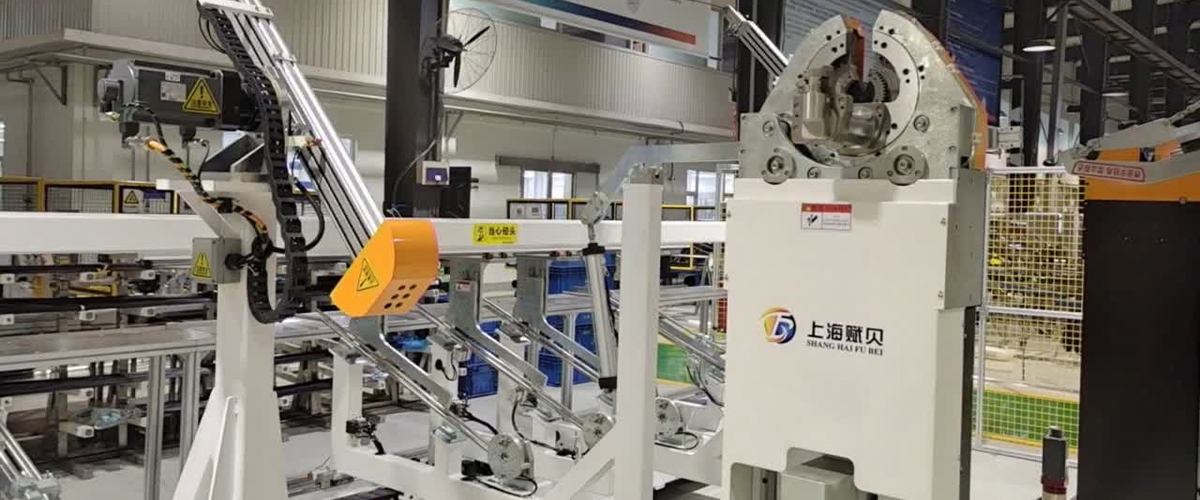
Automatic Production Line for Automotive Air Conditioning Pipe FormingThis line combines automatic loading, both-end forming, bending, and unloading, with a robotic arm transferring irregular tubes between stations. It is designed for parts requiring different operations at each end, making it ideal for air-conditioning pipes that need more complex bend paths and sequencing in one flow.View Product →
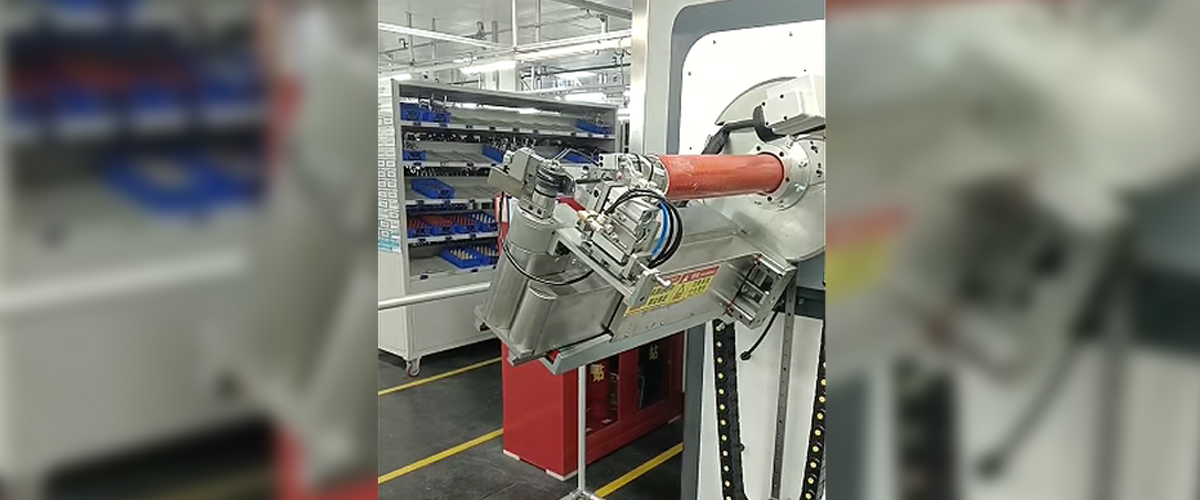
In practice, the same equipment can serve different end products. Brake pipe assemblies are small-diameter steel tubes with symmetrical bends at both ends, so a double-head bender is often the core of the line. Air-conditioning pipes are larger and require more complex bend paths plus end forming, which is exactly where an automatic line keeps the position of each bend consistent. A recently delivered turnkey tube processing solution for a major automotive customer shows how line design has to be based on actual part drawings and production targets.
Before committing, compare builders using the same evidence you would use for any capital purchase. Look at the control system, servo axis count, tooling rigidity, and service response. Ask for existing installations and for contacts at companies that run similar parts.
One way to check credibility is to review the manufacturer's own background. A builder that designs and produces the machine, rather than simply assembling bought-in components, can usually explain the trade-offs between servo size, frame stiffness, and tool life. It is also more likely to offer a custom solution when your part does not fit a standard catalog.
Common procurement risks include choosing a machine with a control package that is difficult to program, insufficient local service, and undocumented tooling. These risks appear after installation, not in the quotation, so make sure the sales proposal includes training, documentation, and a clear spare parts list.
Automated pipe processing equipment is a broad category, but the right choice is narrow. Start with the part that causes the most rework or consumes the most labor. Map the process from straight tube to finished assembly. Then decide whether one CNC bender, a double-head machine, or an automatic line satisfies the tolerance and volume requirement. A machine that can repeat the same bend thousands of times is only useful if the system around it can feed material, change tools, and unload parts just as reliably.
Buying from a builder that can provide application engineering and line integration lowers the risk. The most expensive mistake is not overpaying for a machine; it is buying a machine that cannot run your actual part family without constant adjustment.

 [email protected]
 +86-021-57678482
 +86-18001603006
 Building A, No. 299 Tangming Road, Shihudang Industrial Zone, Songjiang District, Shanghai, China
Copyright © Shanghai Fubei Electromechanical Equipment Co., Ltd. All Rights Reserved Automated Pipe Processing Equipment Factory
