

 English
  русский
  Español
  عربى
عربى Industry News
Home / News / Industry News / Automated Pipe Processing Equipment: A Simple Guide to Choosing the Right Machine

Content
Automated pipe processing equipment refers to machinery designed to cut, bend, thread, deburr, weld, or otherwise shape pipes and tubes with little to no manual intervention. Instead of relying on workers to measure, mark, and cut each piece by hand, these machines use programmable controllers, sensors, and servo-driven mechanisms to repeat the same operation with near-perfect consistency. This shift matters because pipe fabrication is one of the most labor-intensive steps in industries like construction, oil and gas, HVAC, and shipbuilding, and even small errors can lead to costly rework or safety hazards.
For shop owners and production managers, the appeal of automated pipe processing equipment goes beyond speed. It reduces material waste, minimizes injury risk from repetitive handling, and frees skilled workers to focus on tasks that actually require human judgment. As labor costs rise and skilled welders and machinists become harder to find, more fabrication shops are turning to automation not as a luxury but as a necessity for staying competitive.
Not all automated pipe processing equipment does the same job. Depending on what your production line needs, you might invest in one machine or a combination of several working in sequence. Below are the most common categories found on modern shop floors.
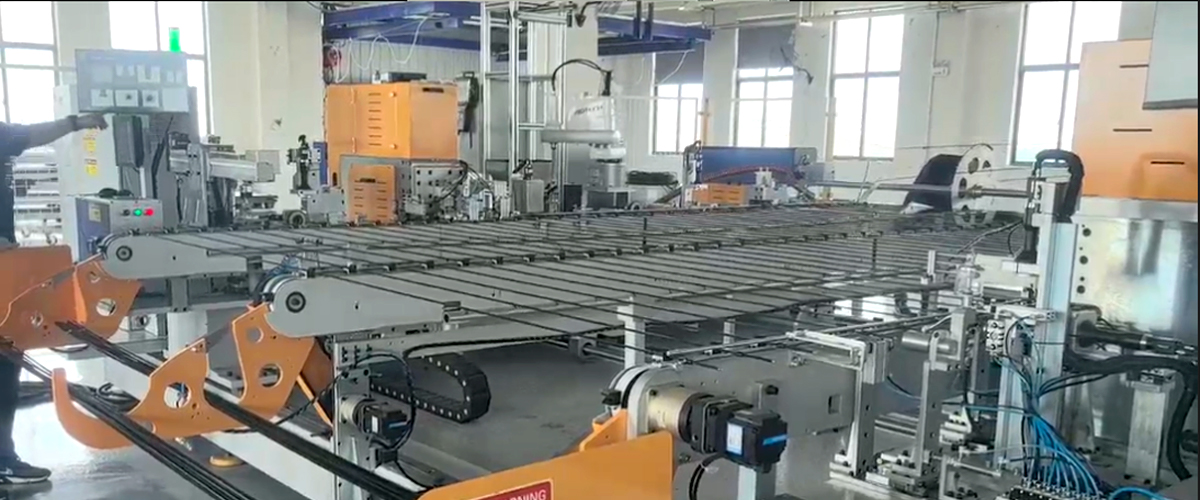
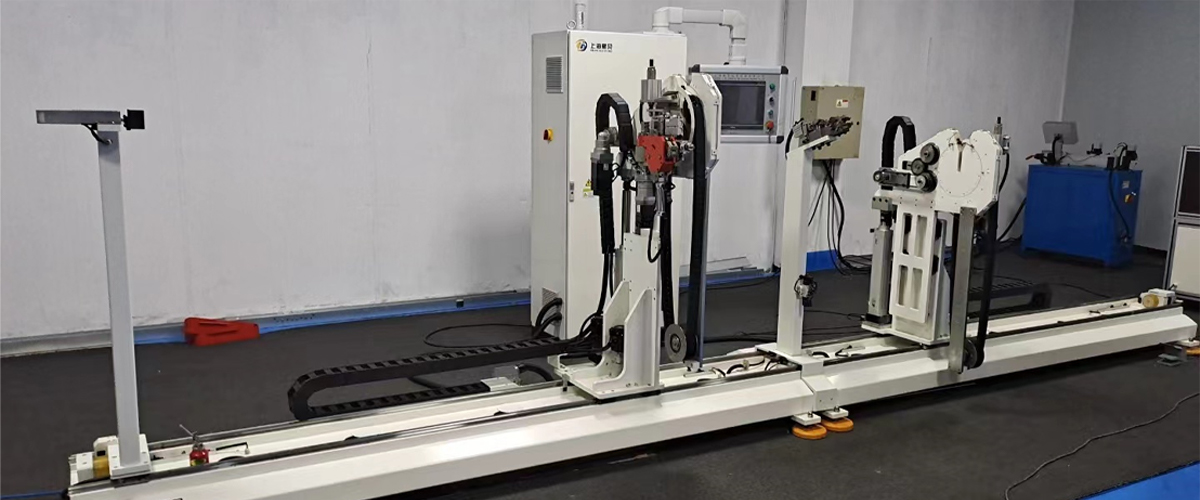
These machines use plasma, laser, or saw-based cutting heads mounted on rotating chucks to slice pipes to exact lengths and angles. Many models include automatic feeding systems that pull raw stock from a rack, measure it, and cut it without an operator touching the material.
CNC pipe benders form precise curves and angles based on digital programs rather than manual dial settings. Operators simply load the bend specifications, and the machine adjusts mandrels, clamps, and rotation angles automatically, producing consistent bends even across thousands of units.
Threading machines cut precise external or internal threads onto pipe ends for fittings, while grooving machines prepare pipe ends for mechanical couplings. Automated versions control cutting depth and speed electronically, which drastically reduces thread defects compared to manual dies.
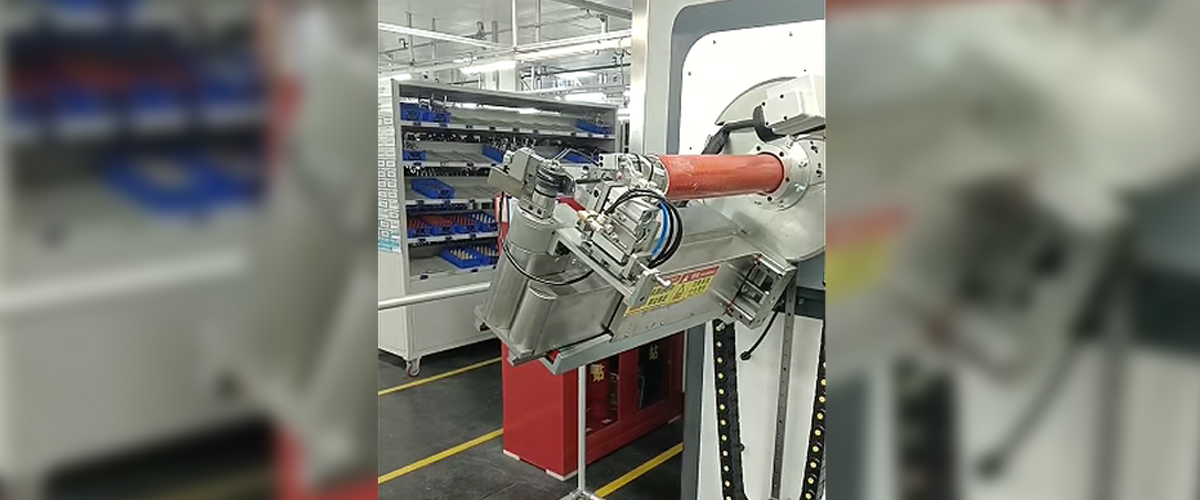
Robotic welders use programmed arms fitted with welding torches to join pipe sections along fixed paths. These systems are especially valuable for high-volume production where weld quality must remain uniform from the first piece to the last.
Choosing the right automated pipe processing equipment isn't just about picking the machine with the most features. It's about matching capability to your actual production needs. Here are the factors worth evaluating closely.
The biggest reason companies switch to automated pipe processing equipment is the direct impact on output and consistency. A single CNC pipe cutting machine can often replace two or three manual workstations while running longer hours with less fatigue-related error. Because the machine follows a stored program, the tenth pipe in a batch comes out exactly like the first, which eliminates the guesswork that comes with manual measurement and marking.
Automation also shortens changeover time between different job specifications. Instead of manually resetting fences, angles, or dies, an operator can load a new program in seconds. This flexibility is especially useful for shops that handle custom orders or frequently switch between pipe sizes and materials. Over time, the combination of faster cycles, fewer defects, and reduced scrap adds up to a measurable return on investment, often within the first one to two years of operation.
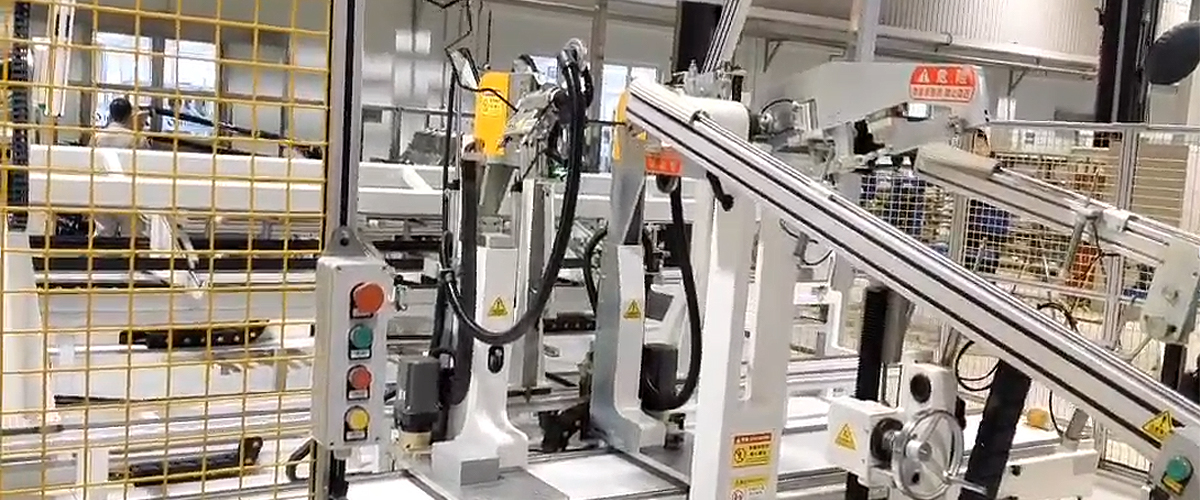
The table below summarizes how automated pipe processing equipment stacks up against traditional manual methods across the factors that matter most to production teams.
| Factor | Manual Processing | Automated Processing |
| Consistency | Varies by operator skill | Highly consistent every cycle |
| Labor Requirement | High, multiple workers needed | Low, one operator can oversee several machines |
| Production Speed | Slower, limited by human pace | Faster, continuous operation possible |
| Material Waste | Higher due to measurement error | Lower with precise programmed cuts |
| Upfront Cost | Lower initial investment | Higher initial investment, better long-term ROI |
Automated pipe processing equipment shows up in far more places than most people realize. In the oil and gas sector, it's used to fabricate pipeline sections that must meet strict pressure and safety standards. In HVAC manufacturing, automated benders and cutters shape ductwork and refrigerant lines with tight tolerances. Shipbuilders rely on robotic welding systems to join large-diameter pipe sections for engine rooms and ballast systems, while automotive plants use smaller-scale automated tube benders to produce exhaust systems and hydraulic lines.
Even smaller custom fabrication shops that produce railings, furniture frames, or agricultural equipment are adopting compact automated pipe processing equipment to compete with larger manufacturers on turnaround time and pricing.
Automated machinery still needs regular care to perform reliably. Skipping maintenance is one of the fastest ways to turn a productivity upgrade into a costly liability. Keep these practices in mind.
Buying automated pipe processing equipment is a long-term commitment, so the supplier relationship matters as much as the machine itself. Look for manufacturers who offer thorough operator training, responsive technical support, and readily available replacement parts. Ask about warranty terms and whether the supplier can customize equipment for unusual pipe sizes or materials specific to your industry.
It's also worth requesting references from other shops using the same equipment, or visiting a live demonstration if possible. Seeing the machine handle your actual pipe specifications before purchase can prevent costly mismatches between expectations and real-world performance. A supplier who understands your production goals, not just the technical specs, will be a far more valuable long-term partner as your operation scales.

 [email protected]
 +86-021-57678482
 +86-18001603006
 Building A, No. 299 Tangming Road, Shihudang Industrial Zone, Songjiang District, Shanghai, China
Copyright © Shanghai Fubei Electromechanical Equipment Co., Ltd. All Rights Reserved Automated Pipe Processing Equipment Factory
