

 English
  русский
  Español
  عربى
عربى 
News&Inspiration
Contact Us
Nylon Tube Bending Machine: A Simple Guide to Choosing the Right One
Content
- 1 What Is a Nylon Tube Bending Machine and Why It Matters
- 2 How a Nylon Tube Bending Machine Works
- 3 Key Features to Look for Before Buying
- 4 Comparing Common Types of Nylon Tube Bending Machines
- 5 Common Mistakes That Damage Nylon Tubing During Bending
- 6 Industries That Rely on Nylon Tube Bending Machines
- 7 Final Thoughts on Choosing the Right Machine for Your Needs
What Is a Nylon Tube Bending Machine and Why It Matters
A nylon tube bending machine is a piece of equipment designed to shape nylon tubing into precise angles and curves without cracking the material, collapsing the wall, or leaving kink marks. Nylon tubing is widely used in pneumatic systems, automotive fluid lines, medical devices, and industrial machinery because it is lightweight, flexible, and resistant to chemicals. However, bending nylon tube by hand often leads to flattened sections or uneven curves, which is exactly the problem a dedicated bending machine solves. Whether you are running a small workshop or a large production line, understanding how these machines work will help you choose the right one and get consistent, professional results every time.
How a Nylon Tube Bending Machine Works
Most nylon tube bending machines rely on a combination of a forming die, a clamping mechanism, and a pressure or pulling system to guide the tube around a curved path. The tube is first secured in place, then gradually pulled or pushed against a die that matches the desired bend radius. Some machines apply heat before bending, since warming nylon slightly makes it more pliable and reduces the risk of cracking or stress marks. Others use a mandrel inserted inside the tube to prevent the walls from collapsing during the bend. The entire process is designed to apply even, controlled force so that the tube keeps its original diameter and wall thickness throughout the curve.
Manual vs. Automatic Bending Machines
Manual nylon tube bending machines are operated by hand using a lever or crank, and they are a good fit for small batches, prototyping, or repair work where flexibility matters more than speed. Automatic or CNC-controlled bending machines, on the other hand, use programmable settings to repeat the exact same bend angle and radius hundreds or thousands of times without operator fatigue affecting the outcome. Factories that need consistent tube shapes for mass production almost always invest in automatic machines because they reduce waste and speed up output significantly.
Key Features to Look for Before Buying
Not all nylon tube bending machines are built the same, and choosing the wrong one can lead to wasted material and inconsistent results. Before purchasing, it helps to compare machines based on a few core specifications that directly affect performance and long-term usability.
- Bending radius range and how many die sets the machine supports
- Maximum and minimum tube diameter compatibility
- Whether the machine includes a heating function for tougher nylon grades
- Build quality of the clamping system to prevent slippage during bends
- Availability of programmable memory for repeat bend angles
- After-sales support and access to replacement dies or parts
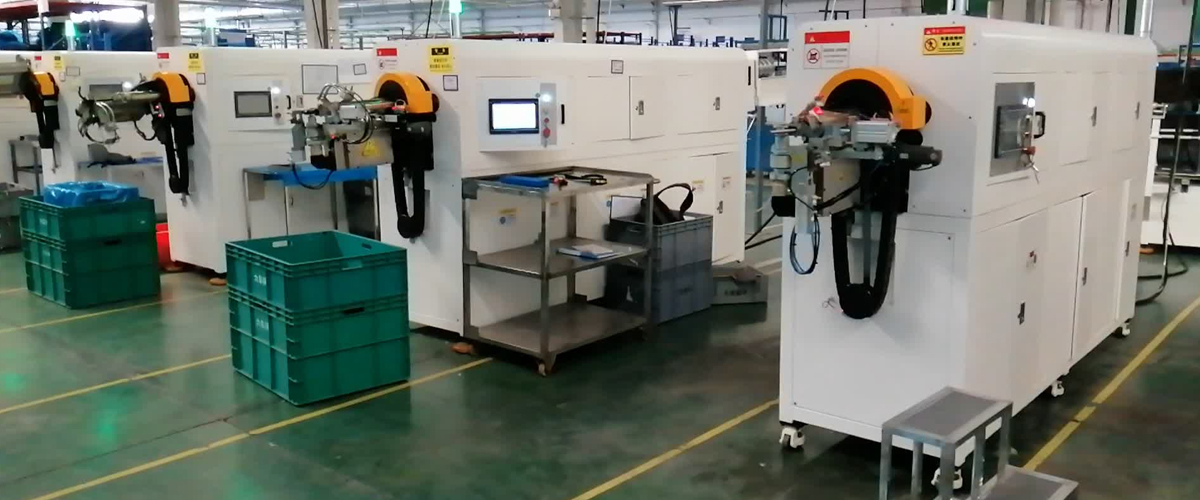
Comparing Common Types of Nylon Tube Bending Machines
The table below breaks down the three most common categories of nylon tube bending machines available on the market today, along with their typical use cases, so you can quickly identify which type suits your operation.
| Machine Type | Best For | Typical Output Speed |
| Manual Hand-Lever Bender | Repairs, prototypes, small shops | Low |
| Semi-Automatic Hydraulic Bender | Medium batch production | Medium |
| CNC Automatic Bender | Large-scale factory production | High |
Common Mistakes That Damage Nylon Tubing During Bending
Even with a good machine, poor technique can still ruin a batch of tubing. One of the most frequent mistakes is bending nylon tube that is too cold, which makes the material brittle and prone to cracking at the bend point. Another common issue is selecting a die radius that is too tight for the tube diameter, causing the wall to flatten or wrinkle on the inside of the curve. Operators sometimes also rush the bending speed, not allowing the nylon enough time to relax into the new shape, which results in the tube springing back slightly once released from the clamp. Taking the time to preheat when necessary, choose the correct die, and bend at a moderate, steady pace will noticeably improve the quality of the finished product.
Tips for Extending Machine Lifespan
Regular maintenance keeps a nylon tube bending machine running accurately for years. Lubricating moving parts, checking the clamping jaws for wear, and cleaning residue from the dies after each shift are simple habits that prevent bigger mechanical problems down the road. For machines with heating elements, periodically checking the temperature calibration ensures the tubing is heated consistently, which directly affects bend quality and reduces scrap rates.
Industries That Rely on Nylon Tube Bending Machines
Nylon tube bending machines are used across a surprisingly wide range of industries. In the automotive sector, they shape fuel and air lines that need to fit precisely around engine components. Medical equipment manufacturers use them to produce tubing for devices where smooth, kink-free curves are essential for fluid or air flow. Pneumatic and hydraulic system builders also depend on these machines to create custom tubing runs for factory automation equipment. Even furniture and appliance makers use bent nylon tubing for lightweight structural or decorative components. This broad demand is part of why bending machine manufacturers continue to develop more precise and user-friendly models each year.
Final Thoughts on Choosing the Right Machine for Your Needs
Selecting the right nylon tube bending machine comes down to matching the equipment to your production volume, tubing size range, and budget. A small workshop doing occasional repairs will likely be well served by a manual bender, while a manufacturer producing thousands of identical parts will see a much faster return on investment from a CNC automatic machine. Whatever option you choose, prioritizing build quality, die availability, and proper operator training will make the biggest difference in achieving clean, reliable bends over the long term.
PREV:Fully Automatic Single-Head Pipe Bending Machine: What It Is and Why Everyone's Switching to It
NEXT:How Does a Tube Bending Machine Work? A Beginner's Guide
NEXT:How Does a Tube Bending Machine Work? A Beginner's Guide
Interested in cooperation or have questions?
Related products


Contact
-
 [email protected]
-
 +86-021-57678482
-
 +86-18001603006
-
 Building A, No. 299 Tangming Road, Shihudang Industrial Zone, Songjiang District, Shanghai, China
Products
QR Code
Copyright © Shanghai Fubei Electromechanical Equipment Co., Ltd. All Rights Reserved Automated Pipe Processing Equipment Factory

TO TOP