

 English
  русский
  Español
  عربى
عربى Industry News
Home / News / Industry News / Nylon Tube Bending Machine: A Practical Guide to Selection and Operation

Nylon tubing is everywhere once you start looking for it. It carries fuel and vapour lines in vehicles, compressed air in pneumatic brake systems, coolant through heat exchangers, and countless other media in appliances and general machinery. Bending that tubing cleanly, without crushing the wall or leaving it looking tired and oval, is a different exercise from bending copper or steel. A nylon tube bending machine is built around that difference. In this article we walk through what these machines actually do, how they differ from metal benders, and the small details that decide whether a part comes off the machine looking right or heading for the scrap bin.
Content
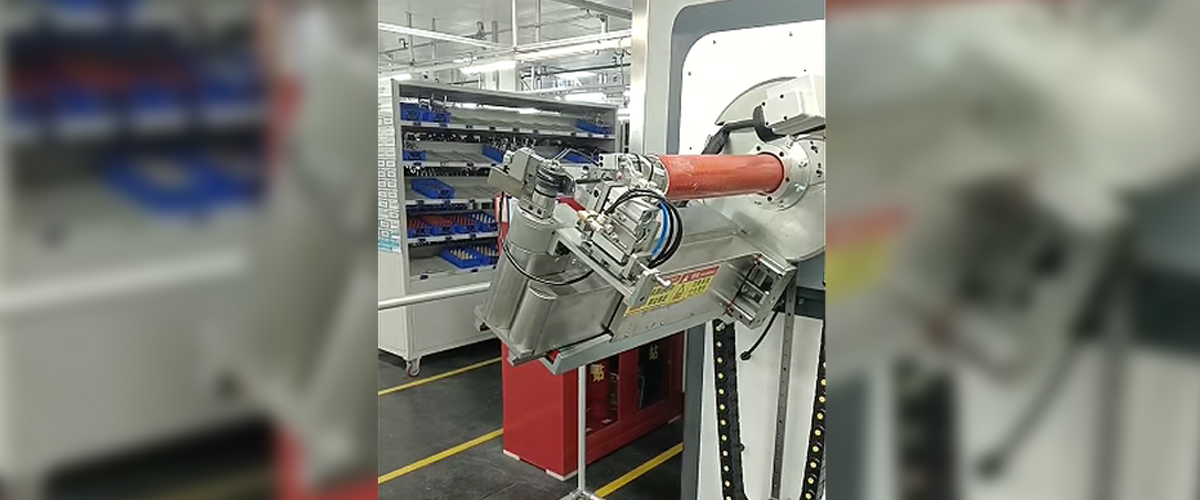
A nylon tube bending machine is a CNC-controlled bender set up for plastic tubing — nylon, PA6, PA11, PA12 and comparable polyamide grades — rather than for metal. The basic motion is one any tube hand would recognise: the tube is clamped, fed to the correct length, rotated into the right plane, and then drawn around a bending die while a mandrel supports the inside of the wall.
The difference is in how carefully everything is tuned. Polyamide tubing is softer and far more elastic than copper or steel, so the tooling, the mandrel position, the clamping pressure and the bend speed all have to be gentler. Bending dies typically run with larger radii relative to tube diameter, and wiping dies and guide shoes are shaped to cradle the tube instead of scraping along it.
If there is one area worth paying attention to, it is mandrel control. Pull the mandrel a fraction too early and the inside of the bend flattens; hold it a fraction too long and the surface can scuff. On a well set-up machine that timing is programmed and repeatable, and it can be adjusted separately for each material.
 Nylon Tube Bending Machine for PA6 and PA66 TubingIntegrated heating, bending, and cooling support nylon tube forming with controlled temperatures and servo feed for repeatable multi-bend production.View Product →
Anyone who has only bent metal will notice the difference within the first few parts. Nylon springs back much further, marks easily, and can collapse under a clamp that a brass tube would shrug off. Knowing those differences makes machine and tooling selection far easier.
| Characteristic | Nylon / PA tube | Aluminium and copper | Steel |
|---|---|---|---|
| Springback after bending | High; needs compensation in the control program | Moderate | Low to moderate |
| Internal support required | Mandrel or plug almost always needed | Usually needed | Needed for tight radii |
| Risk of flattening | High, especially with thin walls | Moderate | Low |
| Surface marking | High; soft surface scuffs easily | Moderate | Low |
| Heat assistance | Sometimes helpful | Rarely needed | Rarely used |
The practical consequence is that a bender intended for polyamide work is normally specified with a wider minimum bend radius, smoother servo motion, and a mandrel that advances in a controlled arc instead of being dragged through the bore.
Most nylon benders look broadly similar on the shop floor, but a handful of subsystems decide what a given machine can actually produce.
Selection starts with the part, not the catalogue. A short list of questions narrows the field quickly.
If your parts are PA or another polyamide grade, a machine configured for nylon from the outset saves a great deal of trial and error later. Tooling, mandrel profiles and control parameters all differ from a metal-tube setup.
PA Pipe Bending Machine for Nylon Tubing and Polyamide GradesIntegrated heating, bending, and cooling with servo feed helps maintain thermal consistency and repeatable multi-bend results for PA6 and PA66 tubing.View Product →Almost every defect in nylon bending appears on the same short list.
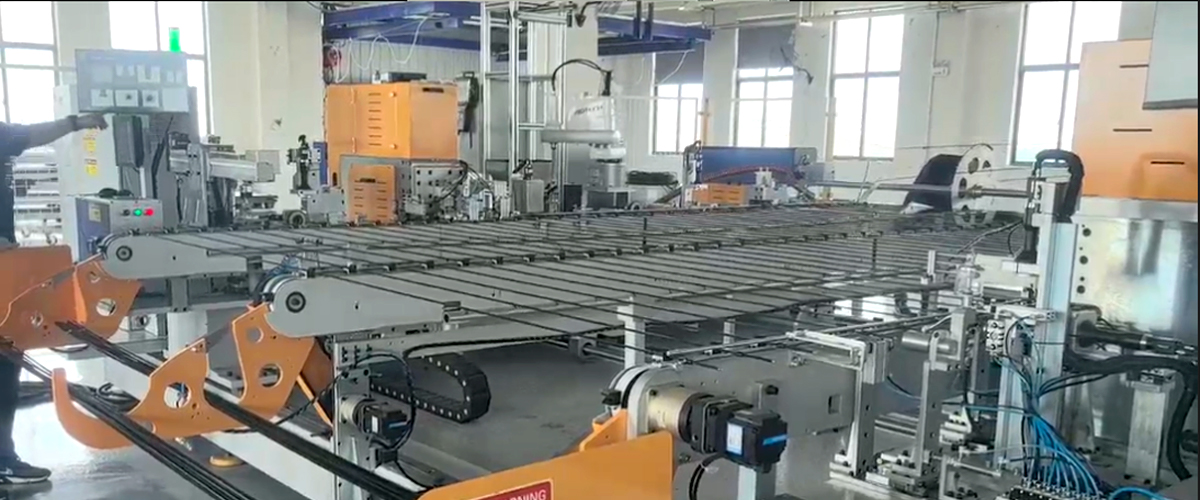
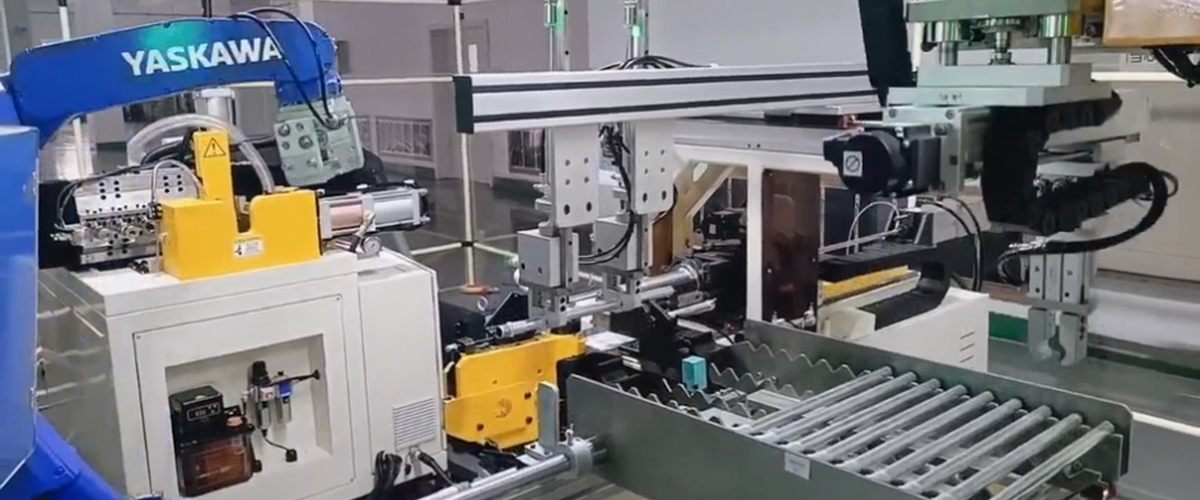
Once the bend process is stable, the natural next step is to take the operator out of the cycle. A nylon tube bender can be paired with automatic loading and unloading, and from there integrated into a line that also performs end forming, chamfering, inspection and packing.
For polyamide tubing this means gentle gripping, careful transfer between stations, and no hard handling that would scratch a finished surface. The real gain is repeatability: part after part stays identical through the shift, rather than drifting as an operator tires towards the end of the day.
Fully Automatic Single-Head Pipe Bending Machine for Metal TubesAutomated loading-to-output bending with Siemens PLC and full servo drive supports repeatable batch production for steel, aluminum, and copper tubes.View Product →Nylon bending sounds simple until a part arrives with seven bends in three planes, a tight section tolerance and a weekly volume that leaves no room for rework. That is the point at which process knowledge and machine configuration start to matter more than the brochure specification.
We have been building tube processing equipment in Shanghai since 2012, from benders and end forming machines through to chamfering, spinning and crimping equipment, along with customised automated lines for automotive and air conditioning applications. Our machines use servo drive, human machine interface and computer control, and we would rather configure a machine around your part than hand you a standard model and wish you luck. If you would like some background, our company profile sets out how we work.
For a broader walk through the decision process, the guide to choosing a nylon tube bending machine covers the same ground from a slightly different angle, and it is a useful companion to this article.
Nylon tube bending is a small subject with a lot of detail, and the details are usually what decides the outcome: when the mandrel draws back, how hard the clamp closes, how smoothly the die surface is finished. Get the machine and the process right and the parts come off clean, repeatable and unremarkable — which is exactly what a production engineer wants. If you are working through a particular part, we are always happy to talk through tube, radius and volume and help you work out which configuration makes sense.

 [email protected]
 +86-021-57678482
 +86-18001603006
 Building A, No. 299 Tangming Road, Shihudang Industrial Zone, Songjiang District, Shanghai, China
Copyright © Shanghai Fubei Electromechanical Equipment Co., Ltd. All Rights Reserved Automated Pipe Processing Equipment Factory
