

 English
  русский
  Español
  عربى
عربى 
News&Inspiration
Contact Us
How Does a Tube Bending Machine Work? A Beginner's Guide
Content
- 1 What Exactly Is a Tube Bending Machine?
- 2 Common Types of Tube Bending Machines
- 3 How a Tube Bending Machine Actually Works
- 4 Key Factors to Consider Before Buying a Tube Bending Machine
- 5 Comparing Tube Bending Machine Types at a Glance
- 6 Common Mistakes That Ruin a Good Bend
- 7 Maintenance Tips to Keep Your Tube Bending Machine Running Smoothly
- 8 Final Thoughts on Choosing the Right Machine
What Exactly Is a Tube Bending Machine?
A tube bending machine is a piece of equipment designed to bend metal tubing into precise angles and shapes without crushing, cracking, or wrinkling the material. Whether you're working with steel, aluminum, copper, or stainless steel, this machine takes a straight piece of tube and reshapes it to fit exact specifications. You'll find tube bending machines in workshops that build handrails, exhaust systems, furniture frames, roll cages, HVAC ducting, and countless other products where curved metal tubing is required. Instead of relying on manual labor and guesswork, a tube bending machine gives you repeatable, accurate results every single time.
The core idea behind every tube bending machine is simple: clamp the tube, apply controlled force, and guide it around a die to achieve the desired curve. What separates one machine from another is how that force is applied, how much automation is involved, and how much precision the machine can hold across repeated cycles.
Common Types of Tube Bending Machines
Not all tube bending machines work the same way, and picking the wrong type can cost you time, money, and a lot of frustration. Here's a rundown of the most common options you'll come across.
Manual Tube Bending Machines
These are hand-operated machines that rely on physical effort to bend the tube around a die. They're affordable and great for small shops or hobbyists who only need occasional bends. The trade-off is consistency — manual bending depends heavily on the operator's skill and strength, so results can vary from piece to piece.
Hydraulic Tube Bending Machines
Hydraulic tube bending machines use fluid pressure to generate the force needed for bending, making them ideal for thicker or harder materials. They require less physical effort from the operator and can handle larger diameter tubes than manual machines. Many small-to-mid-sized fabrication shops rely on hydraulic models because they strike a good balance between cost and capability.
CNC Tube Bending Machines
CNC tube bending machines are computer-controlled, allowing for highly precise and repeatable bends with minimal operator input. Once a bending program is set, the machine can produce hundreds or thousands of identical parts with almost no variation. These machines cost more upfront, but for high-volume production runs, they pay for themselves through speed, accuracy, and reduced material waste.
Electric Tube Bending Machines
Electric tube bending machines use servo motors instead of hydraulic pumps, offering quieter operation, more precise control, and lower energy consumption. They're becoming increasingly popular in shops that want CNC-level accuracy without the maintenance demands of hydraulic systems.
How a Tube Bending Machine Actually Works
Understanding the bending process helps you troubleshoot problems and choose the right settings for your project. Most tube bending machines follow a similar sequence of steps, regardless of whether they're manual, hydraulic, or CNC.
- The tube is loaded and clamped securely against a forming die that matches the desired bend radius.
- A pressure die or wiper die supports the tube from the opposite side to prevent flattening or wrinkling.
- The bending arm rotates or the die moves, gradually curving the tube to the programmed or measured angle.
- A mandrel, if used, is inserted inside the tube to maintain its internal shape during the bend, especially important for thin-walled tubing.
- The finished bend is released, and the tube is either removed or repositioned for additional bends.
Getting a clean bend depends on matching the right combination of die, mandrel, and speed to the tube's material and wall thickness. Skipping the mandrel on thin-walled tubes, for example, often leads to visible wrinkling on the inside of the curve.
Key Factors to Consider Before Buying a Tube Bending Machine
Choosing a tube bending machine isn't just about picking the biggest or most expensive option. It's about matching the machine to your actual production needs. Here are the factors that matter most.
Tube Diameter and Wall Thickness
Every tube bending machine has a maximum diameter and wall thickness it can handle. Going beyond these limits risks damaging the machine or producing flawed bends. Always check the manufacturer's capacity chart against the range of tubing you plan to work with, including any future projects you anticipate taking on.
Bend Radius and Angle Requirements
If your work involves tight radius bends or unusual angles, you'll need a machine with the right tooling and flexibility to achieve them. Some machines are limited to simple, wide-radius bends, while others can produce complex multi-plane shapes required for things like roll cages or handrail systems.
Production Volume
For low-volume or one-off jobs, a manual or hydraulic tube bending machine is usually sufficient and more cost-effective. For high-volume production where consistency and speed matter, a CNC or electric tube bending machine quickly becomes the smarter investment despite the higher upfront cost.
Available Space and Power Supply
Larger hydraulic and CNC machines often require significant floor space and three-phase power connections. Before purchasing, confirm that your shop has the electrical capacity and physical room to safely operate and maintain the machine.
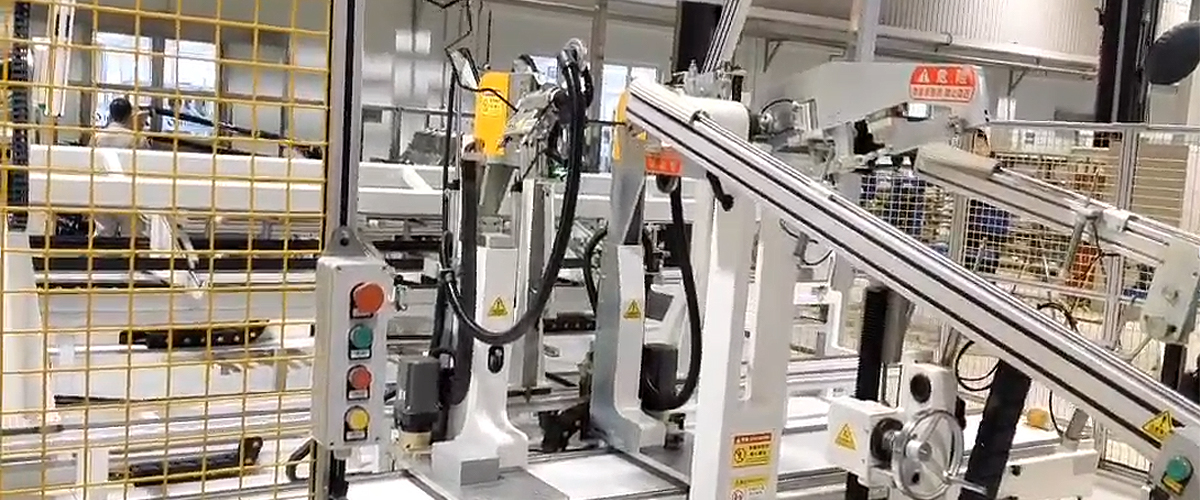
Comparing Tube Bending Machine Types at a Glance
The table below summarizes how the main types of tube bending machines stack up against each other, making it easier to match a machine type to your project needs.
| Machine Type | Best For | Precision Level | Relative Cost |
| Manual | Small shops, occasional use | Low to Moderate | Low |
| Hydraulic | Thicker tubing, mid-volume work | Moderate | Moderate |
| CNC | High-volume, complex bends | Very High | High |
| Electric | Precision work, quiet operation | High | Moderate to High |
Common Mistakes That Ruin a Good Bend
Even with a reliable tube bending machine, operator errors can still produce flawed results. Watching out for these common mistakes can save you material, time, and frustration.
- Using the wrong die radius for the specified bend, which leads to inaccurate angles or excessive spring-back.
- Skipping mandrel support on thin-walled or tight-radius bends, resulting in wrinkling or flattening.
- Failing to account for spring-back, where the tube slightly straightens after release, causing the final angle to be off.
- Not lubricating the tube and dies properly, which increases friction and can scar the tube's surface.
- Bending speed set too high for the material, leading to cracking or uneven wall thickness around the bend.
Maintenance Tips to Keep Your Tube Bending Machine Running Smoothly
A well-maintained tube bending machine lasts longer, produces more consistent bends, and saves you from costly downtime. Regular maintenance doesn't need to be complicated, but it does need to be consistent.
- Inspect dies and mandrels regularly for wear, since worn tooling directly affects bend quality.
- Check hydraulic fluid levels and replace filters on schedule for hydraulic-powered machines.
- Keep clamping surfaces clean and free of metal shavings that can scratch or misalign tubing.
- Lubricate moving parts according to the manufacturer's recommended schedule.
- Calibrate CNC and electric machines periodically to ensure programmed angles match actual output.
Sticking to a simple maintenance routine prevents small issues from turning into expensive repairs, and it keeps your tube bending machine producing accurate parts for years.
Final Thoughts on Choosing the Right Machine
There's no single "best" tube bending machine — the right choice depends entirely on your material, production volume, budget, and the complexity of the bends you need. A small workshop doing occasional repairs might do perfectly well with a manual machine, while a manufacturer producing thousands of identical parts will see far better returns from a CNC system. Take the time to match the machine's specifications to your real-world needs, and you'll end up with equipment that saves money and headaches for years to come.
Interested in cooperation or have questions?
Related products

Contact
-
 [email protected]
-
 +86-021-57678482
-
 +86-18001603006
-
 Building A, No. 299 Tangming Road, Shihudang Industrial Zone, Songjiang District, Shanghai, China
Products
QR Code
Copyright © Shanghai Fubei Electromechanical Equipment Co., Ltd. All Rights Reserved Automated Pipe Processing Equipment Factory

TO TOP