

 English
 русский
 Español
 عربى
Industry News
Home / News / Industry News / Double-Head Pipe Bender for Brake Pipes: A Practical Buyer's Guide to Precision

Brake pipes are the least forgiving tube on any vehicle. They are short, thin-walled, routed around brackets, unions and suspension hardware, and almost always need a bend close to each end, frequently in different planes. On a repair bench, doing one line at a time by hand is perfectly reasonable. In production, or when you are re-piping a chassis to a pattern, the bend at one end has to agree with the bend at the other to within a millimetre or the line simply will not reach its mounting point without stress. That is the exact problem a double-head pipe bender for brake pipes is designed to solve: both ends formed from a single clamping position, in one cycle, from one datum.
Content
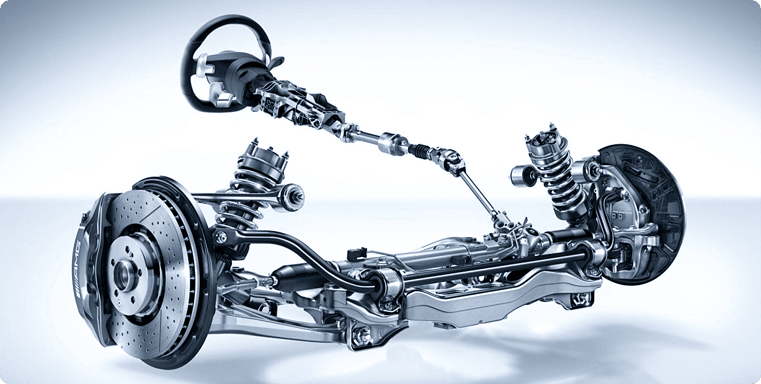
Most passenger-car brake lines are 4.75 mm (3/16 inch) tubing with a comparatively thin wall, sometimes single-wall, often coated with PVF, zinc or copper-nickel. The small diameter makes them flexible enough to route, yet the tube wall is thin enough that careless tooling will flatten the section, ripple the inside of the bend, or crack the coating at the outside radius. Any of those defects is a potential failure point on a safety circuit.
The second difficulty is length. A brake line runs between a master cylinder or ABS block and a wheel-end hose, and it usually sits in a clip or bracket at one or two intermediate points. If the overall developed length is off by even a few millimetres, the line springs away from the clip or puts load on the flare nut. Bending both ends separately, with the tube unclamped in between, is the classic source of that error.
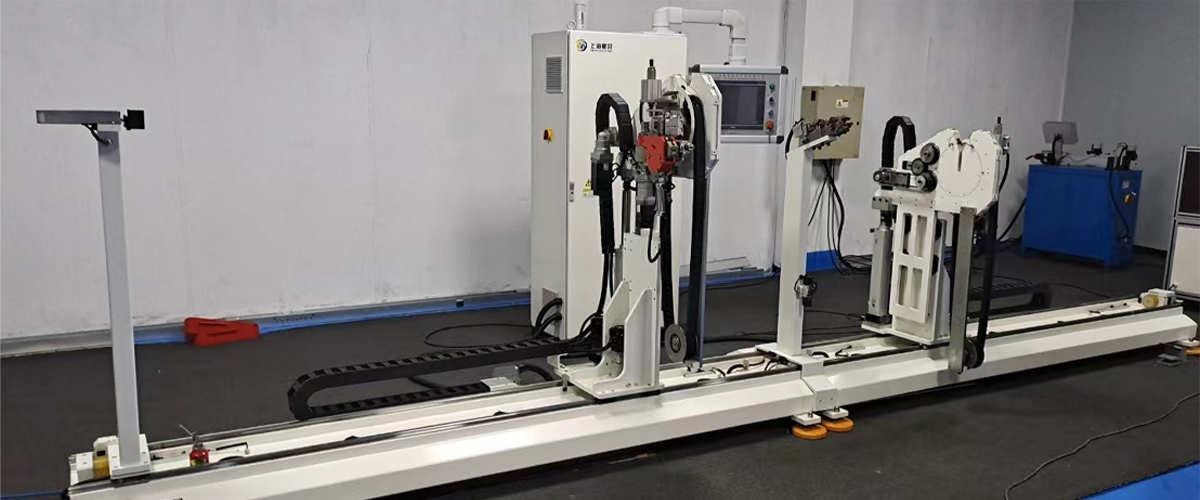
A double-head machine carries two bending heads on a common bed. The tube is clamped once in the middle, between the heads, and the head spacing defines the straight distance between the two bend tangents. Each head then rotates its own former to draw the bend, either simultaneously or in a controlled sequence. Because the tube never leaves its clamp, the flat-plane relationship between the two bends is locked in by the machine rather than by the operator's eye.
The practical effect on brake line work is significant. Setup is one programme or one mechanical setting instead of two, cycle time drops because both ends form in the same handling, and scrap falls sharply on short lines where a re-clamp error is almost guaranteed. For anyone producing brake pipes at volume, it is the difference between a process that depends on operator feel and one that depends on numbers.
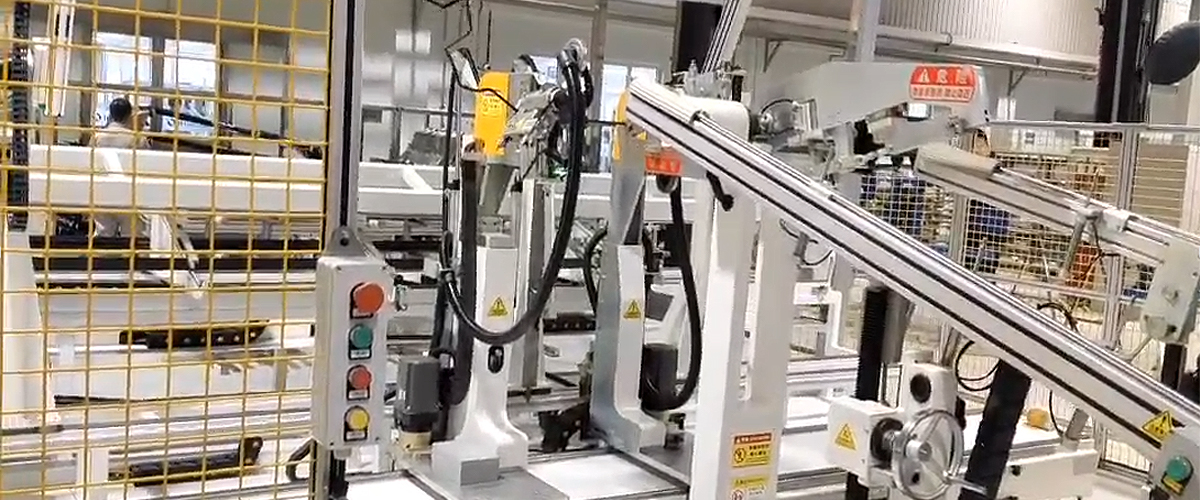
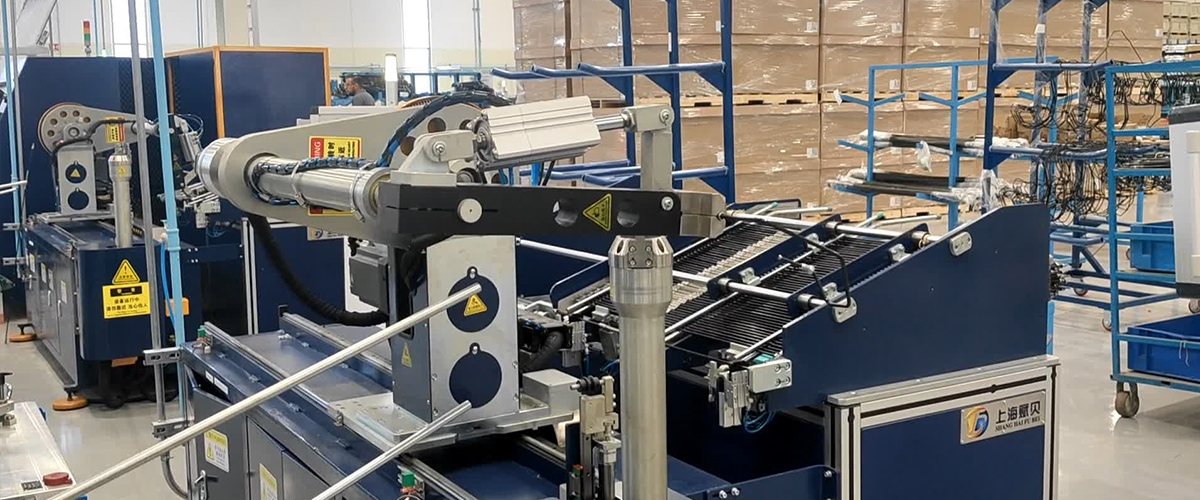
 Double-Head Pipe Bender for Brake PipesDual-head bending completes both ends in one clamping operation, reducing setup, cycle time and scrap for volume brake pipe production.View Product →
Double-head benders are not a single product. They sit on a spectrum from a straightforward hydraulic machine with hand-set head positions to a fully automated cell. The right choice depends far more on your batch pattern and changeover frequency than on the headline price.
| Configuration | Control | Typical Use | Where It Shines |
|---|---|---|---|
| Hydraulic double-head | Manual head positioning, foot switch | Repair shops, small batches | Simple, rugged, quick to teach |
| CNC double-head | Servo axes with HMI programmes | Mixed brake line families, mid volume | Repeatable programmes, fast changeover |
| Fully automatic double-head | Servo plus automatic handling | High-volume automotive supply | Stable cycle times, minimal touch time |
In practice, most brake line producers end up somewhere in the middle: a CNC machine that stores a programme per part number, so a changeover is a recall rather than a recalibration.
Machine catalogues tend to lead with tonnage or head count. For brake pipes, the useful numbers are narrower and more specific. Take a sample of your hardest line to any demonstration and insist on running it.
Springback is the variable that catches people out. Copper-nickel brake tube is soft and springs back less predictably than coated steel, so the same former will produce a slightly different final angle on each material unless the control compensates. Thin coated steel usually benefits from a mandrel or a well-supported wipe shoe to keep the inner radius clean. Harder tubing tolerates less overbend before the coating suffers.
Commercial vehicles add a third material: nylon and PA tube for air brake circuits, where the tube is larger, more elastic and far more sensitive to clamping pressure. The bending logic is related but the settings are not transferable, so it pays to understand the material family before shopping for tooling. Our own notes on choosing a nylon tube bending machine cover the differences in more detail.
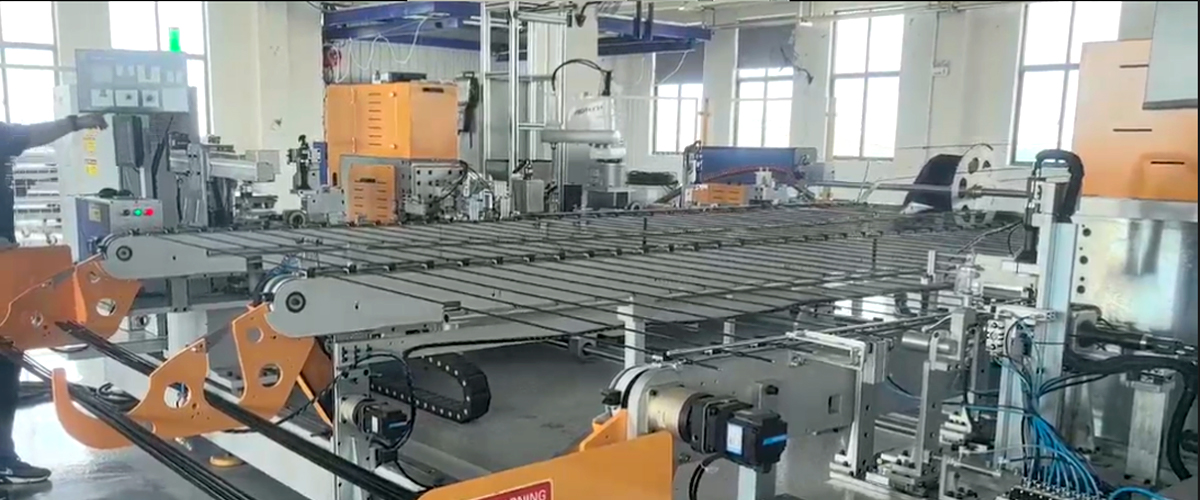
As volumes grow, the constraint usually shifts from bending quality to handling. A CNC double-head machine removes the operator's judgement from the bend but still needs someone to load and unload every tube. That is the point where a fully automatic machine, or a bender integrated into a forming line, starts to pay for itself in labour and consistency rather than in accuracy alone.
The sensible path is incremental. Start with a machine that holds your tightest brake line tolerance reliably, then automate the handling around it once the process is stable. Buying automation on top of an unstable process just produces scrap faster.
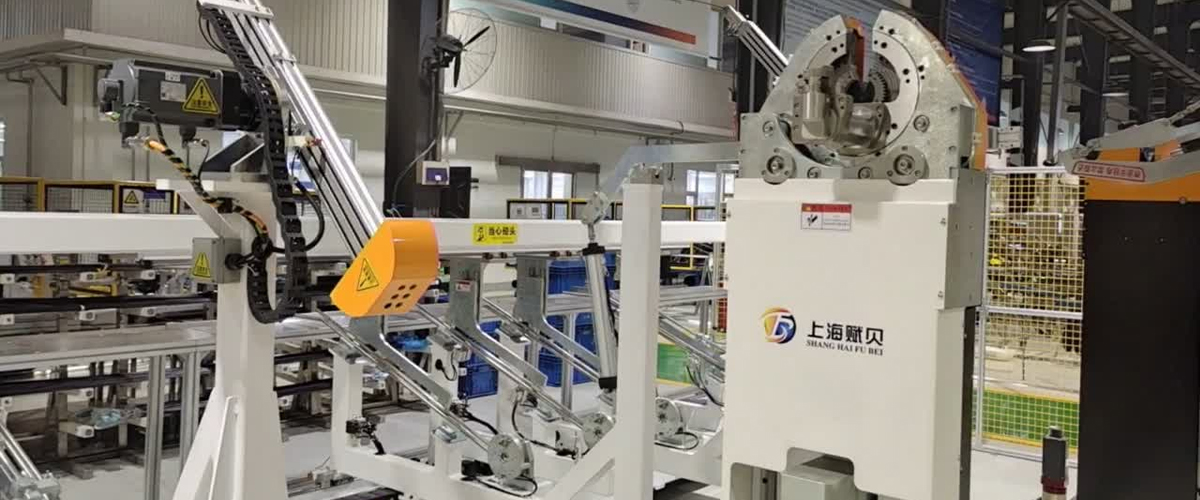
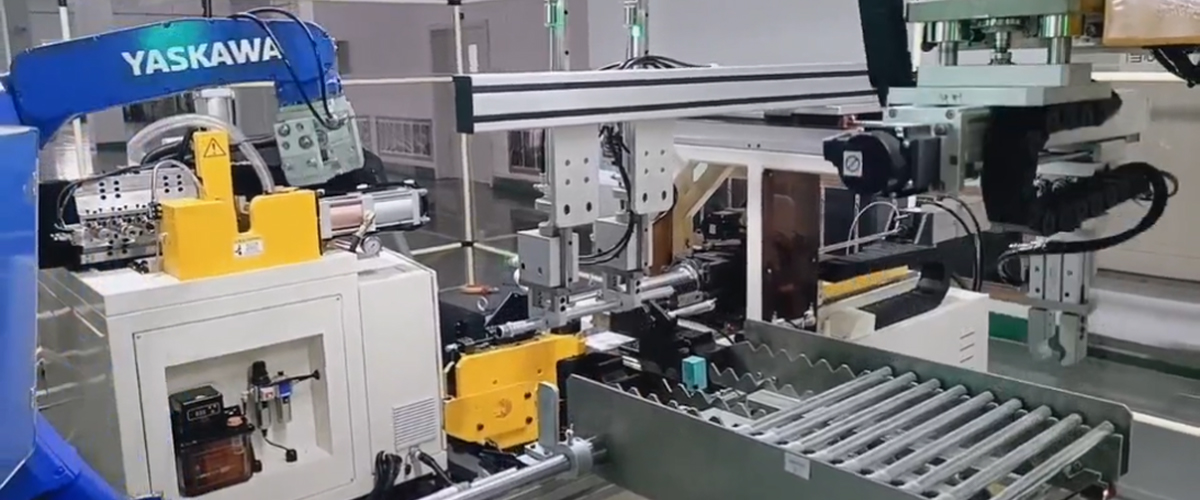
CNC Double-Head Pipe Bending Machine for Brake and Hydraulic LinesCNC dual-head bender with automatic loading and unloading supports high-precision, high-volume brake and hydraulic line production, helping stabilize processes before further automation.View Product → Fully Automatic Double-Head Pipe Bending Machine for Unattended ProductionFully automatic loading, dual-end bending and discharge support continuous high-volume tube production, reducing manual positioning variation once the bending process is stable.View Product →Shanghai Fubei has been manufacturing tube processing equipment since 2012, working from Songjiang with servo control, HMI and computer control across the range. The double-head bender family grew out of that same bending core, and it now covers hydraulic, CNC and fully automatic variants, alongside tube end forming, chamfering, spinning and crimping equipment and complete automotive air-conditioning pipe forming lines.
What that means for a brake line buyer is fairly simple: the machine, the tooling and the process advice come from the same place. Most of the questions worth asking before purchase are about your tube, your radii and your batch pattern, and a supplier who bends tube every day can answer them from experience rather than from a spec sheet. More background on the company is available on the about page.
If you are evaluating a double-head pipe bender for brake pipes, start by measuring the shortest line you make and the worst-case radius on it. Those two numbers will eliminate most of the market for you and make the remaining choice much easier to justify.

 [email protected]
 +86-021-57678482
 +86-18001603006
 Building A, No. 299 Tangming Road, Shihudang Industrial Zone, Songjiang District, Shanghai, China
Copyright © Shanghai Fubei Electromechanical Equipment Co., Ltd. All Rights Reserved Automated Pipe Processing Equipment Factory
