

 English
 русский
 Español
 عربى
Industry News
Home / News / Industry News / CNC Double-Head Pipe Bending Machines: A Practical Buyer's Guide for Fabricators

A CNC double-head pipe bending machine can quietly reshape a tube fabrication shop. Instead of bending one end at a time, it uses two programmable bending heads to form both ends of a tube in a coordinated cycle. For anyone producing repeatable pipe or tube parts, especially in automotive and HVAC work, that change can mean fewer setups, less handling, and a more predictable flow from cut length to finished part.
At Shanghai Fubei, we have been building tube processing equipment since 2012, and the same question comes up again and again: is a double-head CNC bender worth it for our parts? The honest answer depends on the part family, bend geometry, material, and how much manual handling is hidden in the current process. This guide walks through the practical side.
Content
A conventional single-head bender forms one bend at a time. The program or operator moves the tube, rotates it, and bends again. A double-head machine carries two bending units, often facing each other, so the tube can be clamped once and formed at both ends. On a CNC model, the axes are servo-driven and managed through a program, so bend angle, bend position, and the relationship between the two heads can be repeated without relying on manual resetting.
The “CNC” part matters as much as the second head. It means the machine can store part recipes, compensate for material springback, and coordinate motions that would be difficult to control mechanically. In production, that translates into shorter changeovers and more consistent parts, provided the tooling and program are matched to the job.
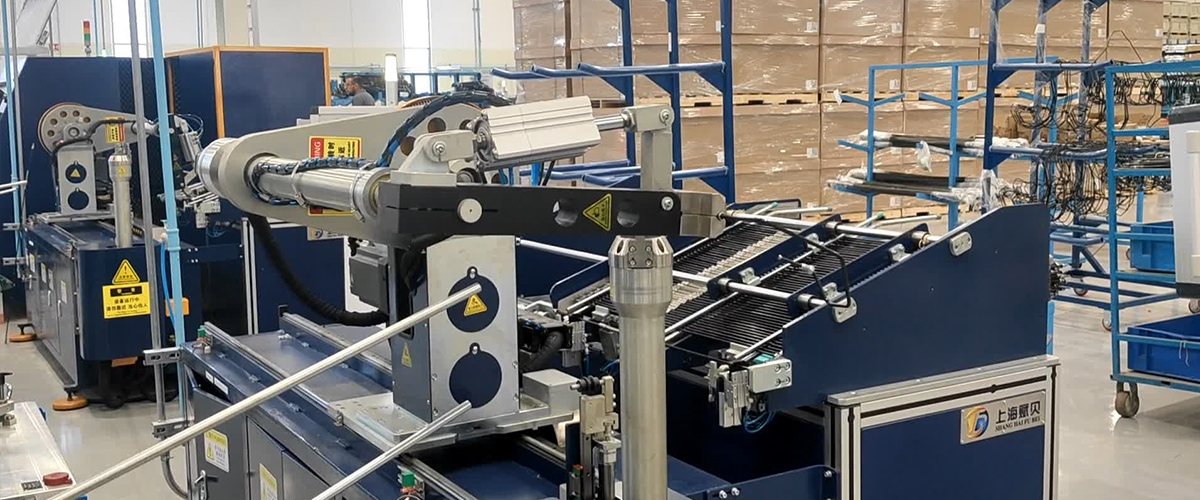
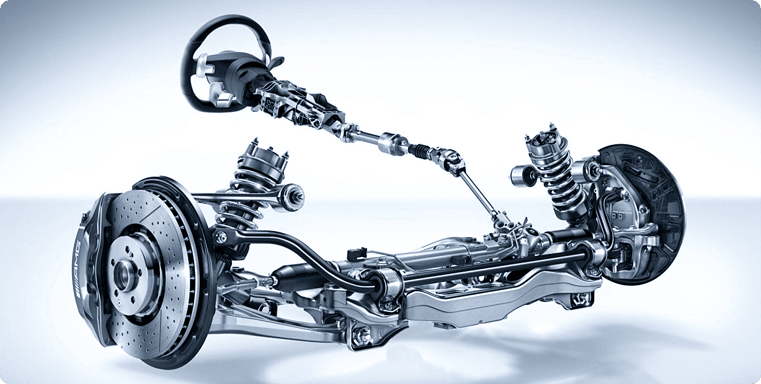 CNC Double-Head Pipe Bending MachineFor 1,000–5,000 mm brake and hydraulic lines, this CNC dual-head bender coordinates 15 servo axes and multi-bend sequences.View Product →
Most jobs begin with a part drawing or a measured sample. The programmer defines the bend sequence, distance between bends, rotation angles, and bend radii. Tooling is selected for the tube diameter, wall thickness, and material. After setup, the machine clamps the tube, positions it against the bend dies, and executes the sequence. On a double-head machine, the two heads can work on opposite ends of the same tube, either simultaneously or in a controlled sequence.
Good programming does more than make the machine move. It considers whether the tube can be handled without collision, whether the clamp can grip without marking, and whether the bend sequence leaves enough straight length for the next operation. If you are new to the process, this beginner’s guide to how tube bending works gives useful background before you compare machine types.
The biggest gain is not simply “two bends at once.” It is the reduction of handling. Parts with bends at both ends often require the operator to flip, reposition, or move to a second operation. A double-head machine can remove some of that movement, which improves repeatability and reduces the chance of a part being loaded in the wrong orientation.
Double-head CNC bending is common in automotive tube work, air conditioning and refrigeration components, and other fabricated pipe assemblies where both ends need accurate bends. Automotive brake lines are a good example: the part is often small, the bend geometry repeats in volume, and consistency matters. Air conditioning lines and other HVAC tube assemblies also benefit when the tube has bends at both ends and the production run is long enough to justify the setup.
It is not a universal answer. Very small batches, complex three-dimensional bends, or parts with tight clearance around the tooling may still suit a single-head machine or a different process. The right choice usually comes from reviewing a family of parts rather than a single drawing.
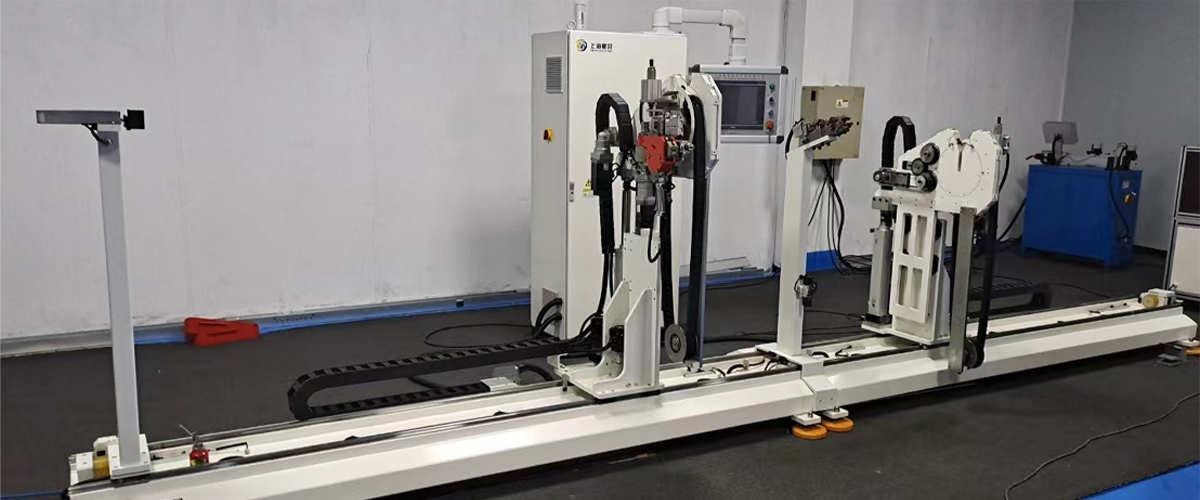
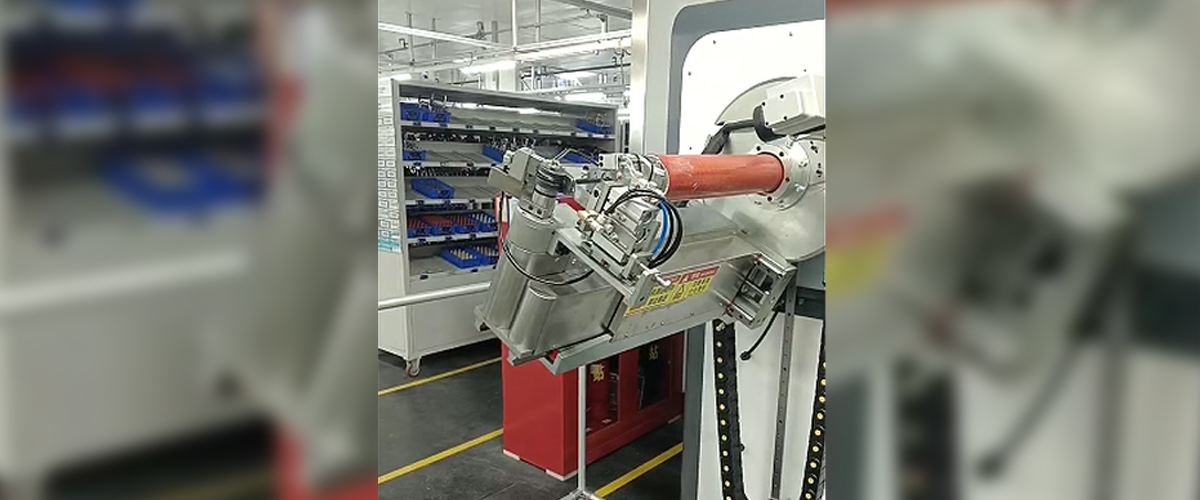
Double-Head Pipe Bender for Brake PipesDual-head brake-line bender completes both ends in one clamping operation, with CNC/PLC control and 3–52 mm tube capacity.View Product →When comparing machines, look beyond the headline “maximum tube diameter.” The real capability is a combination of tube material, wall thickness, bend radius, bend angle, and the space needed for tooling. A machine that handles a large diameter in mild steel may behave differently with stainless or aluminum. The table below gives a practical starting point for a specification conversation.
| What to compare | Why it matters | What to ask |
|---|---|---|
| Tube and pipe range | Diameter alone does not define formability | Which materials, wall thicknesses, and bend radii are proven? |
| Number of CNC axes | More axes can mean more flexibility, but also more programming | Which axes are servo-controlled, and what does the controller coordinate? |
| Bend head arrangement | Affects part clearance, tooling access, and cycle design | Can both heads work independently or together on our part family? |
| Tooling and clamping | Determines mark-free gripping and practical setup time | What tooling is included, and how are changeovers handled? |
| Automation level | Manual, semi-automatic, and fully automatic machines suit different volumes | Where does the operator add value, and where can the machine take over? |
| Control and recipes | Affects repeatability and changeover speed | How are programs stored, backed up, and adjusted for springback? |
It also helps to bring sample parts or a clear part drawing to the discussion. A machine builder can often spot a tooling issue or a handling constraint before the quotation stage, which saves time later.
Accuracy in tube bending is not produced by the control alone. It comes from the whole system: rigid machine structure, precise servo response, suitable bend dies, consistent material, and a program that accounts for springback. Our machines are built around servo control, human-machine interface, and computer control, with the aim of making repeated production predictable rather than dependent on constant operator correction.
Tooling deserves particular attention. A bend die that is worn or poorly matched to the tube can introduce ovality, wrinkling, or inconsistent angles. Clamp dies and pressure dies need to grip firmly without crushing or marking the surface. Before a machine is installed, agree on the tooling package and the acceptance parts.
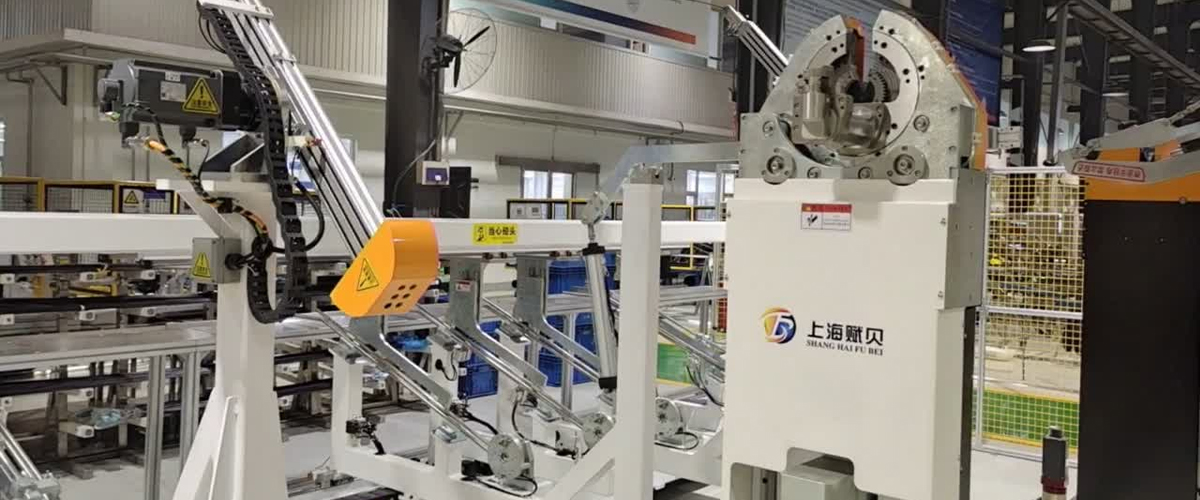
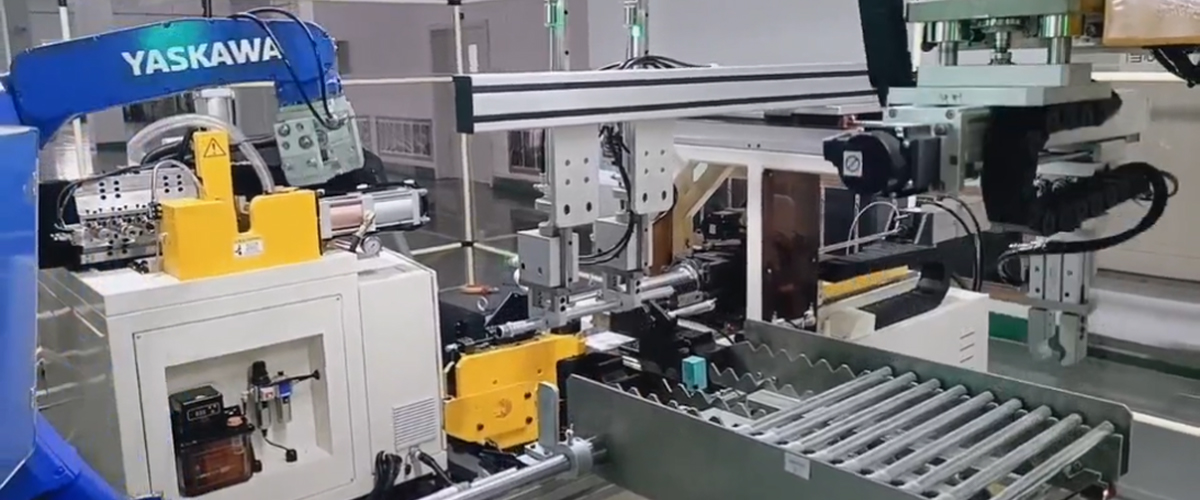
A double-head bender can stand alone, but it often becomes part of a larger tube processing sequence: cut-to-length, end forming, bending, gauging, and sometimes assembly. When volume justifies it, a fully automatic double-head machine can reduce manual loading and make the cycle more consistent. For automotive air conditioning pipe forming, the bending step rarely operates in isolation. It has to fit with end forming, cleaning, and inspection, so we look at the whole route rather than just the bender.
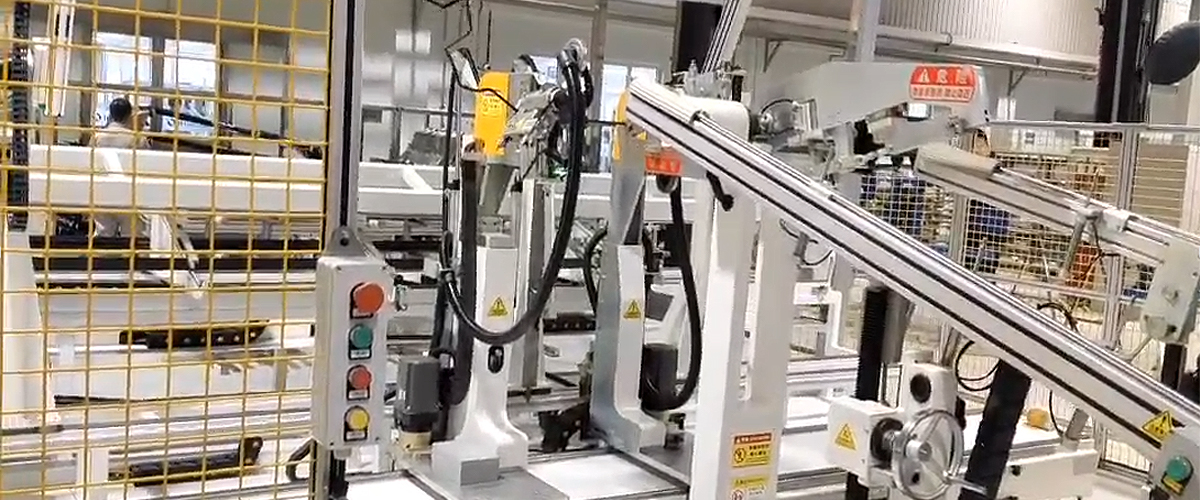
Fully Automatic Double-Head Pipe Bending MachineFor unattended 1,000–5,000 mm tube production, this CNC dual-head machine automates loading, dual-end bending, and discharge across 15 servo axes.View Product →CNC machines reward good housekeeping. Keep the work area free of chips and scrap, check lubrication points on schedule, and inspect dies for wear. Back up programs regularly and keep a simple record of parameter changes. Operators should be trained not just to press start, but to recognize the sound and appearance of a good bend versus a developing problem. A double-head machine has two bending zones, so guards, interlocks, and lockout procedures should be part of every shift.
Buying a CNC double-head pipe bending machine is a long-term decision. The machine should fit the parts you make now and leave room for the parts you expect to make next. It also helps to work with a builder who can discuss tooling, programming, and line integration in plain language. Shanghai Fubei has been manufacturing tube processing equipment since 2012, including benders, end forming machines, chamfering machines, spinning machines, and custom automated lines. Our team works from Songjiang, Shanghai, and supports customers in automotive, air conditioning, and other tube fabrication fields.
If you are comparing options, start with a part family, a volume estimate, and a clear list of constraints. We can help you check whether a double-head CNC bender is the right fit, and if it is not, we will say so. To learn more about our background and how we work, visit our about page.

 [email protected]
 +86-021-57678482
 +86-18001603006
 Building A, No. 299 Tangming Road, Shihudang Industrial Zone, Songjiang District, Shanghai, China
Copyright © Shanghai Fubei Electromechanical Equipment Co., Ltd. All Rights Reserved Automated Pipe Processing Equipment Factory
