

 English
 русский
 Español
 عربى
Industry News
Home / News / Industry News / PA Pipe Bending Machine: A Practical Guide for Reliable Tube Production

PA pipe is not a scaled-up version of copper or steel tube, and a PA pipe bending machine is not simply a metal bender with a different die. Polyamide tubing has a different springback pattern, a different surface sensitivity, and a different set of failure modes. If you have ever watched a neat-looking bend turn into a flattened or kinked line after the clamps open, you already know the machine, tooling, and setup have to work as one system.
We have spent years building tube processing equipment in Shanghai, and the lessons from our own shop are simple: define the tube, control the bend, and prove the result. This guide walks through the practical points we discuss with production teams before a PA tube bending project moves from sample to serial output. If you want the wider context, you can read more about our tube processing background.
Content
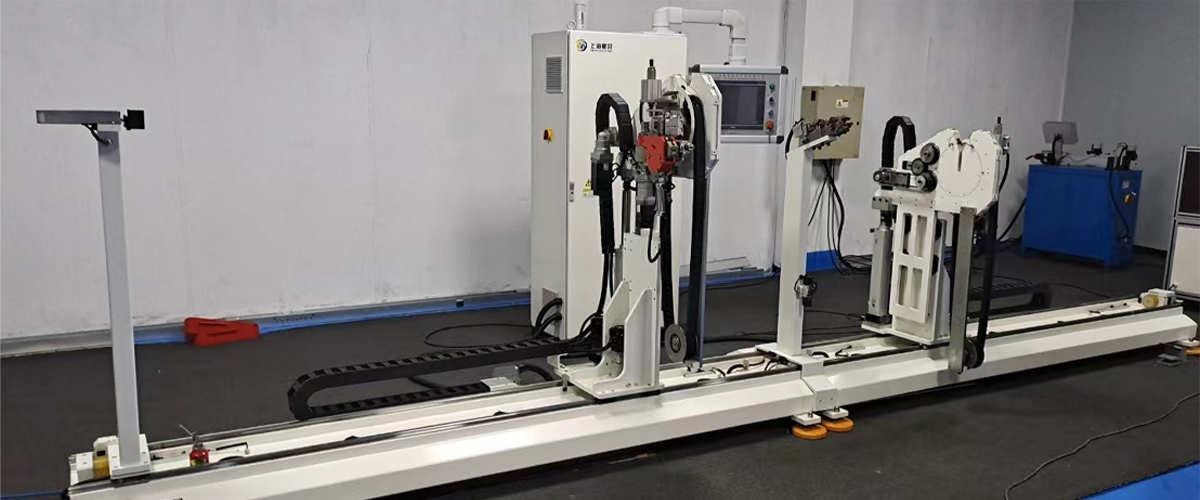
A PA pipe bending machine forms polyamide tube through a controlled sequence: feed, clamp, bend, unload. The bend die sets the centerline radius. The clamp die holds the tube against the die. The pressure die follows the outside of the bend and helps control material flow. On some setups, a wiper die or internal support may be used to reduce flattening and wrinkling. The difference with PA is that the material pushes back differently. It is elastic, sensitive to temperature and moisture, and often more prone to surface marking than metal.
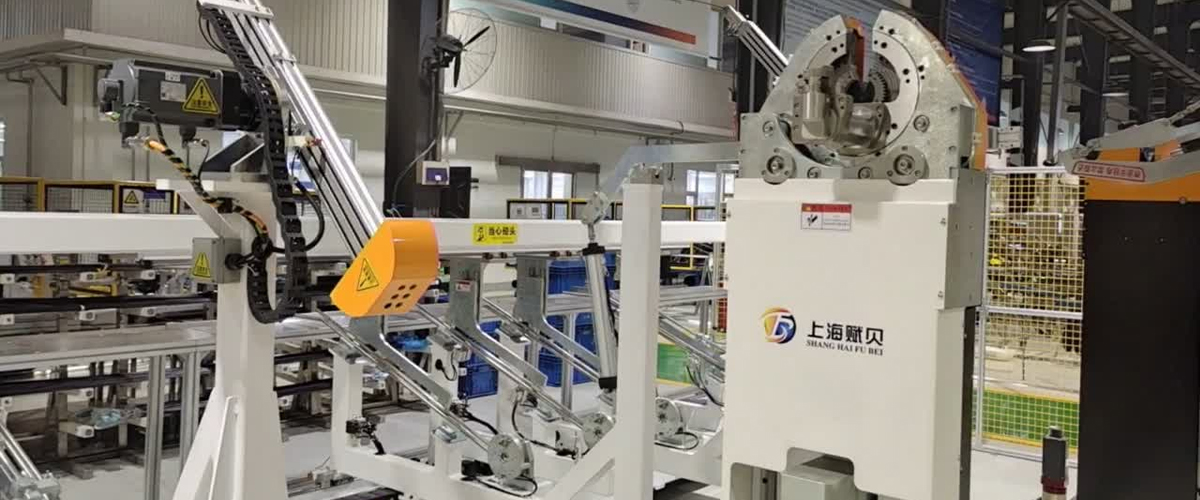
On a production machine, the important capability is not just maximum bend angle. It is repeatability: the same feed length, the same bend angle, and the same springback correction on the first part and the thousandth part. Servo-controlled axes, recipe storage, and a clear human-machine interface make that practical. A well-chosen machine should also let an operator adjust clamp force, bend speed, and compensation without turning every change into a lengthy trial.
Polyamide is a family, not one material. PA6, PA66, PA11, PA12, and compounded grades can look similar on a drawing but behave differently in a bender. Wall thickness, outside diameter tolerance, resin stiffness, moisture content, and storage conditions all influence the result. That is why a bend recipe copied from one batch may need adjustment for the next.
These traits do not make PA impossible to bend. They make setup discipline more important. A machine that can hold a stable clamp force and repeat a precise bend angle is far more valuable than one that only offers a large nominal capacity.
When we run a trial, we usually work through five variables before judging the machine or the tooling. The order matters, because changing two variables at once can hide the real cause of a bad bend.
After the first article, inspect the bend for ovality, wall thinning, marks, and angle error. Then run a small batch and check the same points again. A process that works on one sample but drifts over twenty parts is not ready for production.
Tooling is where a good machine becomes a good process. The bend die groove should match the tube diameter and support the outside wall without pinching it. Clamp and pressure dies should contact the tube over a generous area, because point loading is a common reason for marks and deformation. If the bend is tight or the tube is thin-walled, a wiper die or internal support may be needed to control the inside of the bend.
For PA tube, clean, dry tooling is also important. Lubricant that helps a metal bend may attract dust or affect later assembly, so any lubricant should be approved for the material and the end use. The machine controls should allow fine adjustment of bend angle, springback compensation, and feed length, with recipes that can be locked or controlled by permission level.
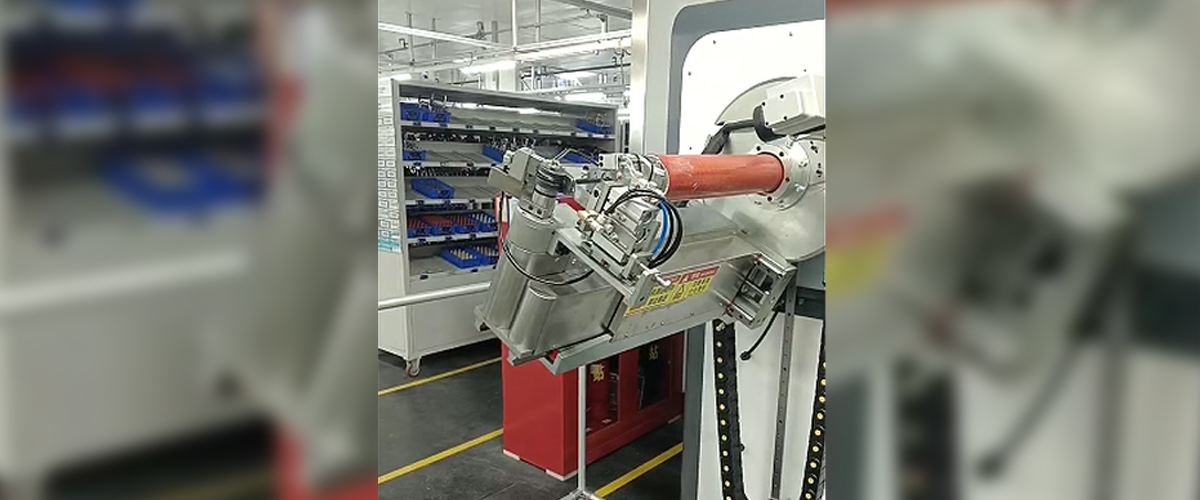
Use the table below as a starting point for a machine specification or a supplier review. It is not a substitute for a bend trial, but it helps separate the questions that affect production from the questions that only look good on a brochure.
| Decision area | What to confirm | Why it matters |
|---|---|---|
| Tube specification | PA grade, outside diameter, wall, tolerance, moisture condition | Different PA grades spring back differently and may need different support. |
| Bend geometry | Centerline radius, bend angle, straight lengths, clearance | Tight radii and short straights increase the risk of ovality and marking. |
| Tooling | Die groove, insert material, wiper or internal support | Poor contact can crush, mark, or flatten the tube even on a capable machine. |
| Control | Servo axes, recipe storage, springback correction, access levels | Repeatability depends on stable settings and controlled changes. |
| Validation | First article, batch checks, leak or pressure test if required | A bend that looks right still has to prove it meets the assembly requirement. |
If you are also comparing material families, this guide to choosing a nylon tube bending machine gives useful context on tooling and tube handling.
PA tube is common in automotive fluid and air lines, air-conditioning assemblies, and industrial pneumatic systems, although the exact grade and approval depend on the application. In these areas, the bending machine is rarely judged on its own. It is judged by whether it can deliver a consistent bend that fits the next assembly step without rework.
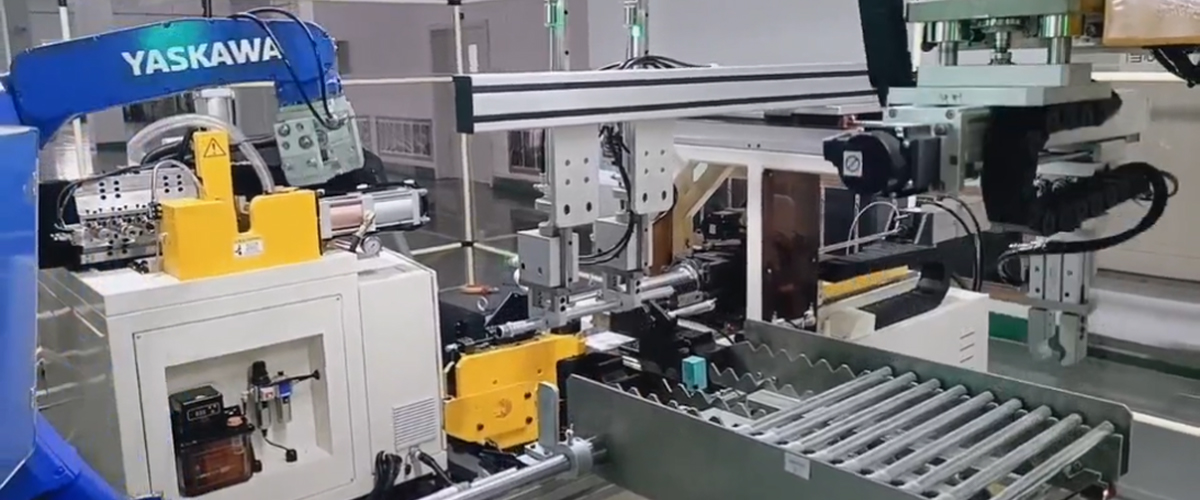
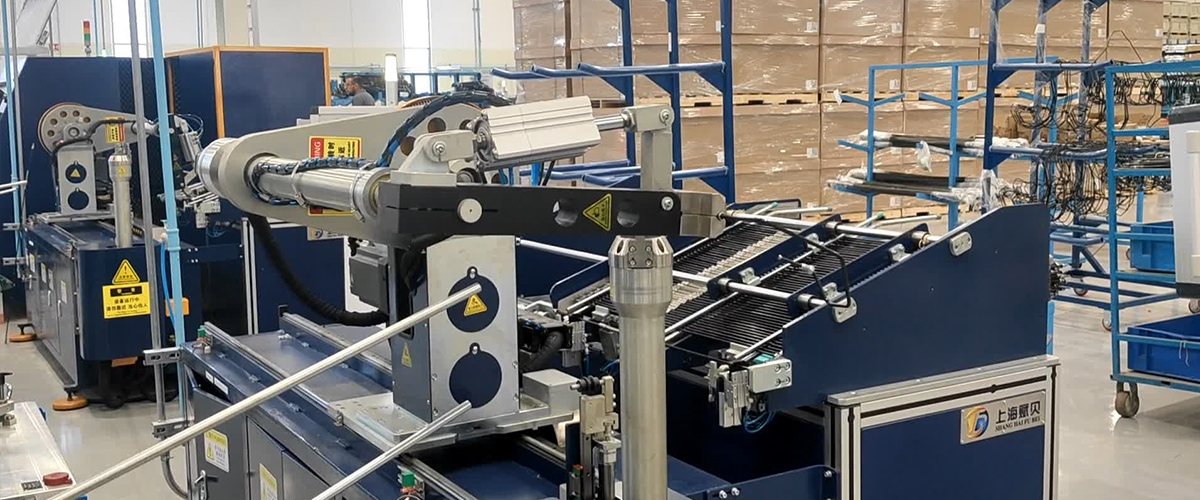
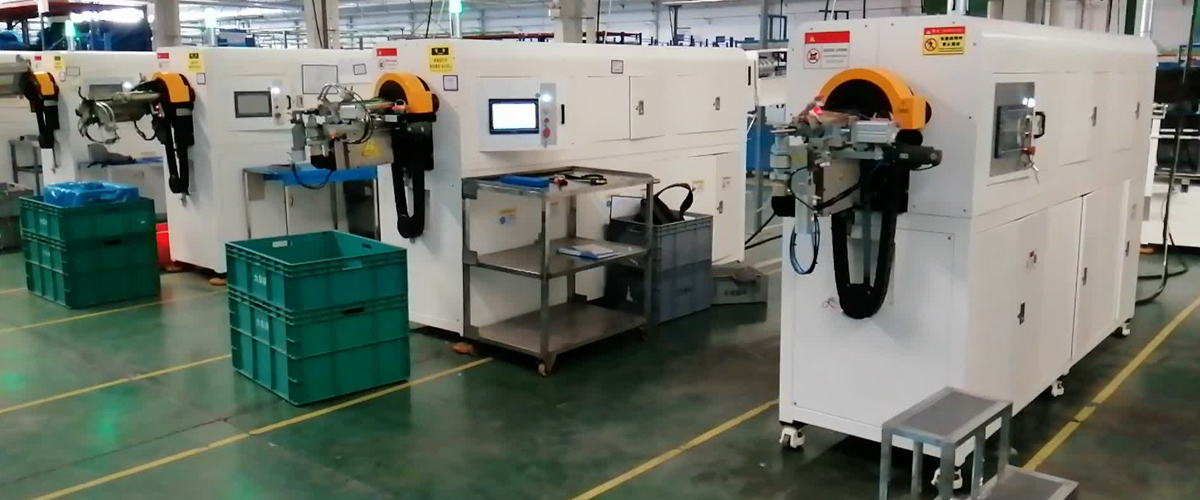
For production, plan the machine as part of a line, not an island. Consider how tube will be loaded, how finished parts will be unloaded, where inspection will happen, and how changeovers will be recorded. If the same cell runs several PA tube part numbers, quick recipe changes and clear tooling identification can save more time than a small increase in maximum bend speed.
Maintenance is not glamorous, but it is where many bend problems are prevented. Check tooling for wear, polish, and build-up at the start of each shift. Look at clamp inserts for cuts or flattening. Confirm that the feed guide is aligned and that sensors are clean. Keep a small log of bend angle checks and compensation changes so that a drift is visible before it becomes scrap.
Operators should also know what a good bend looks like for each part number. A slight mark might be cosmetic on one tube and a reject on another. Clear acceptance samples, good lighting, and a short escalation route for doubtful parts do more for quality than a long manual that nobody reads.
Choosing a PA pipe bending machine is really a question of fit: fit between the tube, the tooling, the control system, and the production routine. Start with the tube and the bend drawing, run a careful trial, and validate a small batch before scaling up. If you send us a sample tube, a bend drawing, and a target cycle time, we can help you work through the practical details and select a configuration that suits the job.


 [email protected]
 +86-021-57678482
 +86-18001603006
 Building A, No. 299 Tangming Road, Shihudang Industrial Zone, Songjiang District, Shanghai, China
Copyright © Shanghai Fubei Electromechanical Equipment Co., Ltd. All Rights Reserved Automated Pipe Processing Equipment Factory
